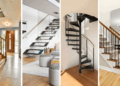
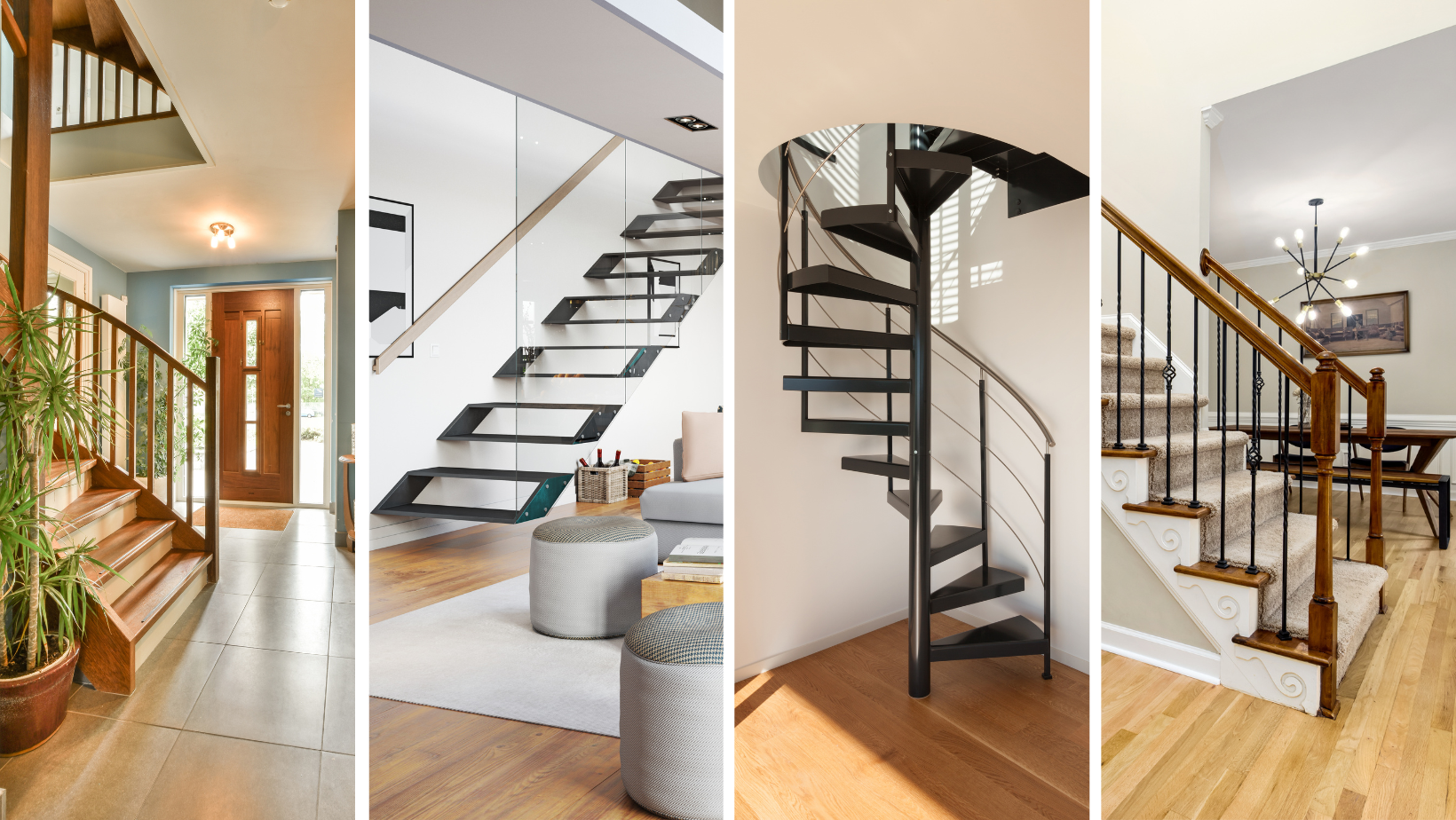
Among other architectural features, the staircase is one of the most essential in building or designing a house. Besides serving the functional purpose of connecting different floors, stairs are a crucial factor in determining the aesthetic appearance of a home, space utilization, and the safety of the building. Be it modern elegance, traditional charm, or minimalist practicality, being in tune with the various types of stairs will surely aid in making informed decisions regarding the design of your home.
1. Straight Stairs
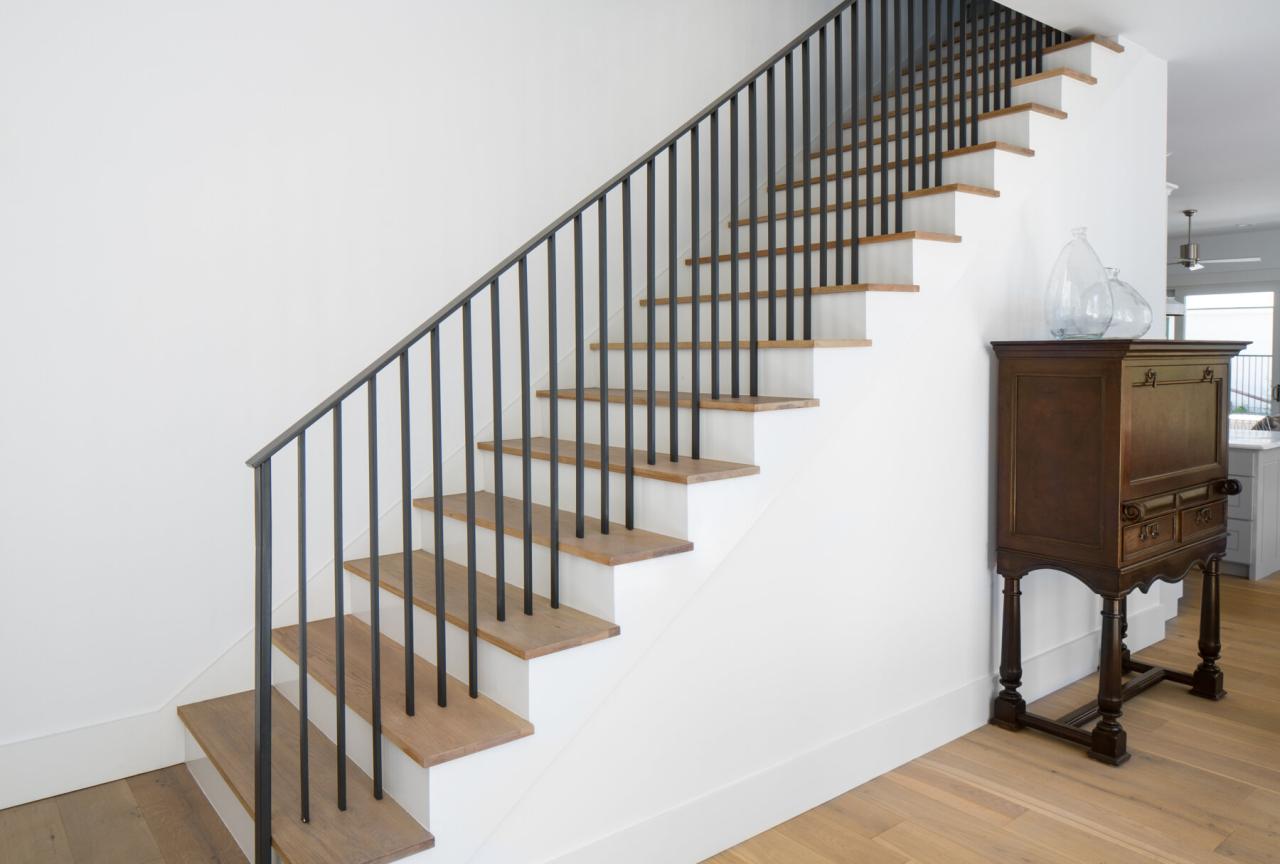
The most common and simplest type of staircase is one that is straight. It comprises one linear flight without any change in direction. This type of design is rather simple to construct, not very expensive, and hence well fitted for a modern or minimalist home. However, straight stairs require ample linear space, which might not be feasible in smaller houses. They often come with sleek railings or glass balustrades to maintain the openness and modern feel in perspective.
2. L-Shaped (Quarter-Turn) Stairs
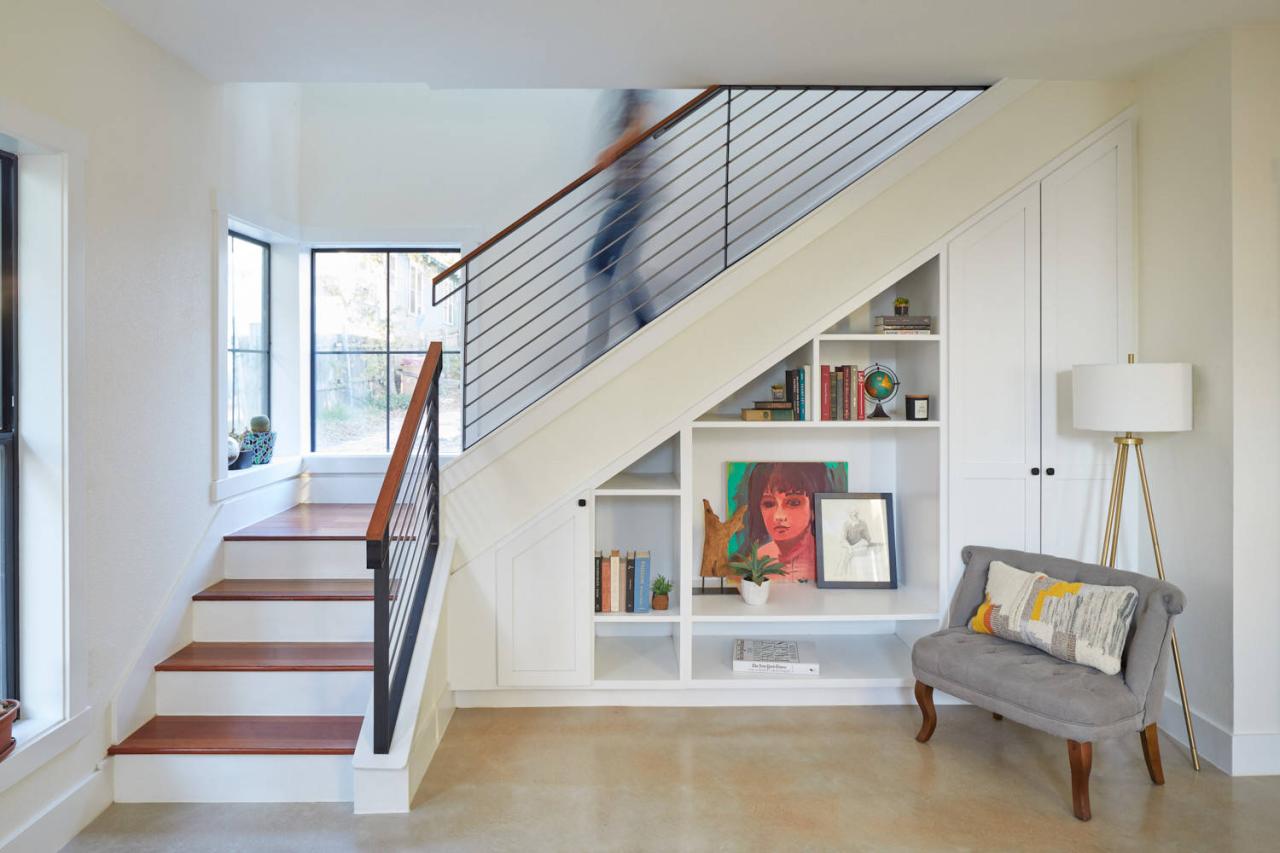
L-shaped stairs, also called quarter-turn stairs, have the 90-degree turn either in the middle or near the top or bottom. These designs spare space and add an interesting feature to the layout. The landing area provides a small resting point, making the stairs much safer and more comfortable to climb. L-shaped stairs are more common in homes that do not have much space or in places where designers intend to provide a smooth flow between floors.
3. U-Shaped (Half-Turn) Stairs
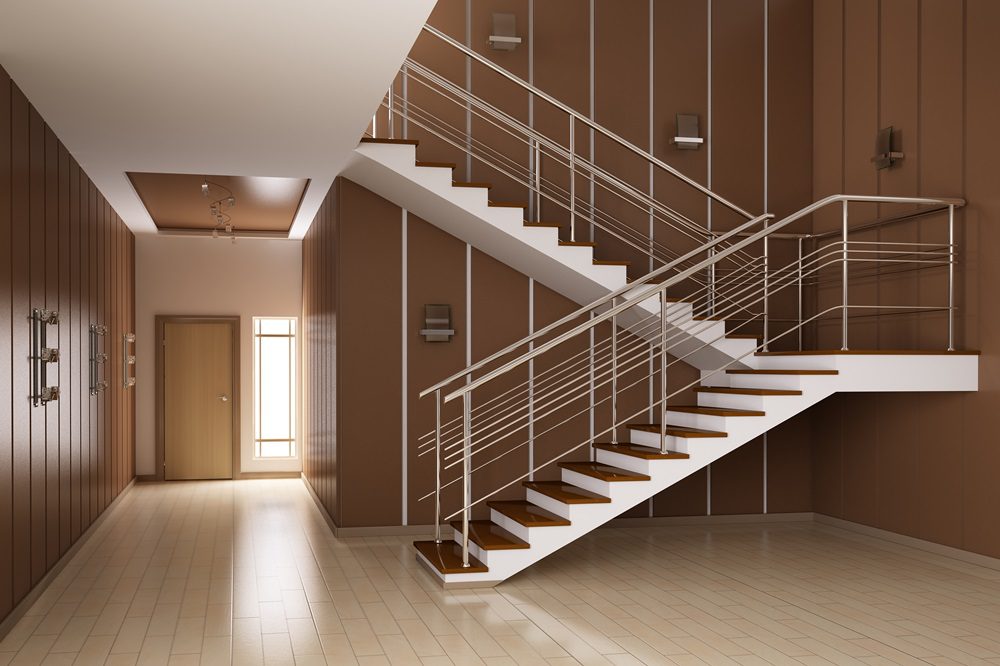
U-shaped stairs, also known as half-turn stairs, consist of two parallel flights connected with a landing that permits the path to be turned 180 degrees. This form is space-effective and finds wide applications in multi-level houses or apartments. In fact, the middle landing makes the stairs safer to navigate; therefore, this type of stairs is preferred in houses that have young kids or aged people.
4. Spiral Stairs
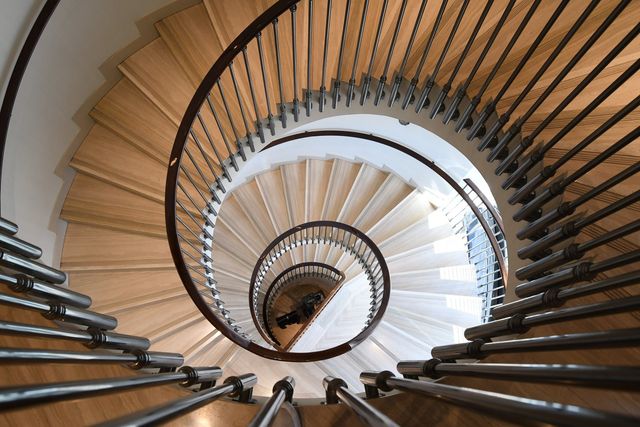
Spiral stairs are compact, elegant-looking, and fit for small spaces. Built around a central pole, the steps wind upwards in a circular pattern. Such types of stairs add drama and style to interior designs. In contrast, spiral stairs are normally narrower and less comfortable to use or move large objects up and down frequently. They work perfectly at secondary access points, such as lofts, attics, or mezzanine levels.
5. Floating Stairs
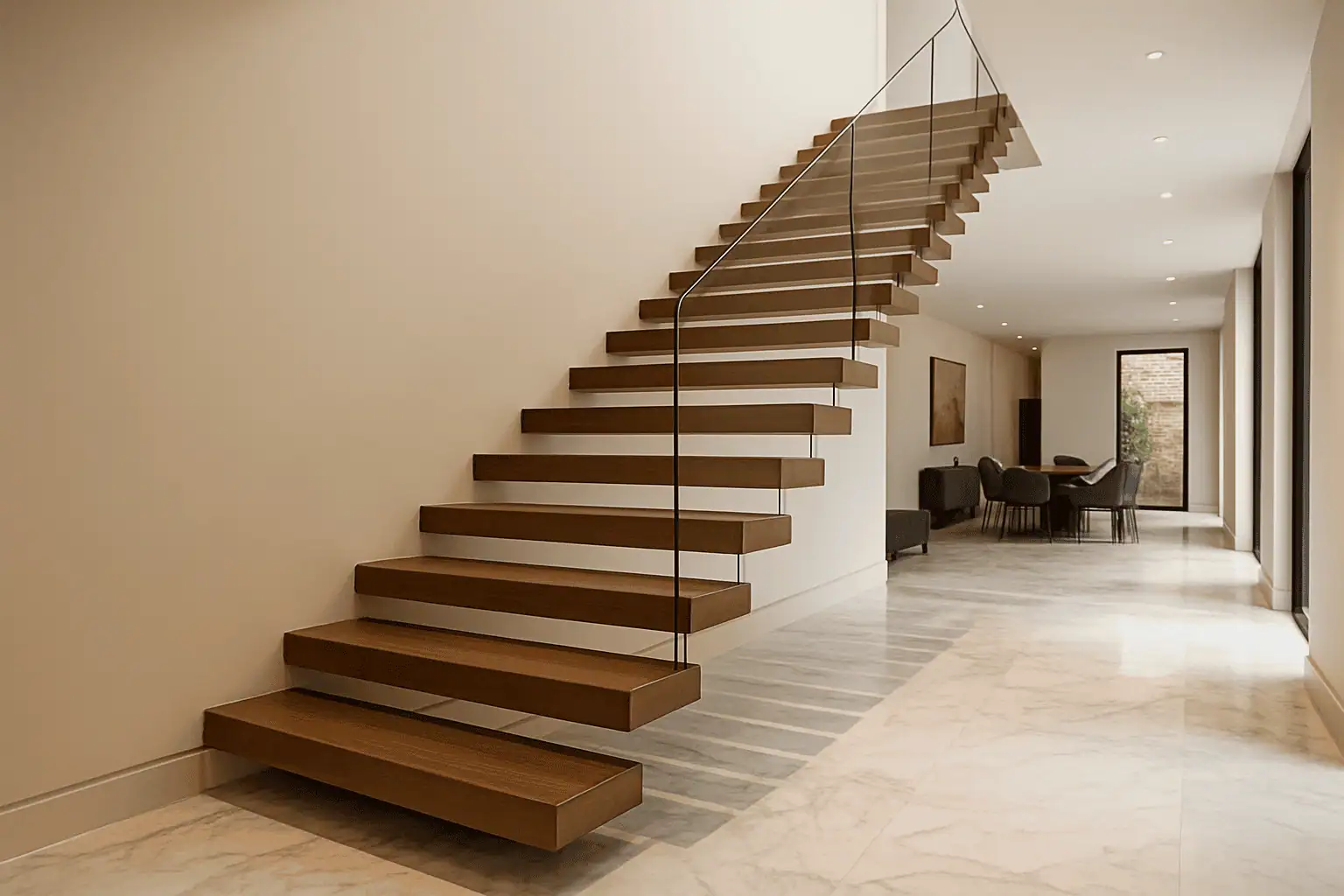
This modern innovation in staircase design shows steps seemingly “floating” without any visible means of support. They may be attached to the wall or supported by a hidden structure, in which case the minimalist look and feel would be attained. The floating steps are ideal for modern homes that want more open space and clean lines.
Choosing the Right Staircase for Your Home
When deciding on the type of staircase for your home, keep in mind three key issues: space, safety, and style. For smaller homes, spiral or winder stairs may work, but for bigger homes, one can opt for U-shaped or curved ones. Material selection, whether wood, steel, or concrete, further dictates both durability and aesthetics. The right staircase not only connects spaces but also works to reinforce harmony in the home.