
With growing global concerns about climate change and resource depletion, architects and designers increasingly pay attention to the sustainability of their works. Modern architecture is not only about aesthetic beauty and structural innovation but it also increasingly requires environmentally responsible strategies and materials that reduce ecological impacts in the long term. From residential space design to large commercial buildings, the world has reached a point where choosing appropriate sustainable materials is a major key. This article pinpoints the best eco-friendly architecture materials that every designer should know in 2025 and beyond.
1. Cross-Laminated Timber (CLT)
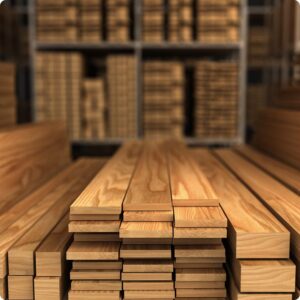
CLT has gained its place as one of the most efficient and versatile sustainable materials used in modern construction. CLT achieves outstanding stability and resistance by layering timber planks perpendicular to one another. It is also an environmentally friendly alternative to concrete and steel, reducing carbon emissions by a great margin in production. Besides ecological safety, CLT provides warmth, natural beauty, and excellent acoustic performance; thus, it is ideal for both residential and business applications.
2. Recycled Steel

Steel was an energy-intensive material in the past, but the option of using recycled steel is much more sustainable. It retains its strength and durability just like regular steel, without the need for new mining. Recycled steel can be used a number of times without any deterioration of its quality and is therefore one of the most efficient and circular building resources. Architects are drawn to it not only because of its structural abilities, but for its modern and sleek look as well.
3.Bamboo
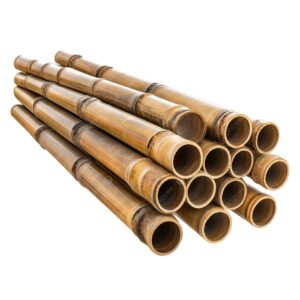
Bamboo is very well-recognized as one of the fastest-growing natural resources on Earth. For structural purposes, it contains a very high level of tensile strength, flexibility, and renewability. Bamboo requires less water to grow, replenishes its stocks in record time, and absorbs huge amounts of carbon dioxide while it grows. Its natural texture and versatility make it fit for flooring, paneling, structural elements, and decorative features. With this increasing demand from home and professional designers for greener alternatives, it will surely remain right at the top.
4. Low-Carbon Concrete
Traditionally manufactured concretes are among the world’s biggest emitters of carbon. Low-carbon concrete has shown promise; adding different binders or recycled aggregates, and incorporating carbon-capture technology, significantly cuts the carbon footprint of construction without sacrificing concrete’s durability and reliability. Designers like low-carbon concrete for its strength, economy, and adaptability to a wide range of architectural styles.
5. Rammed Earth
Rammed earth is an ancient construction technique now finding its relevance afresh in sustainable design. Made from compacted soil, gravel, and natural stabilizers, these rammed-earth constructions have great thermal mass properties whereby temperature changes are buffered indoors, reducing reliance on mechanical heating and cooling systems. The earthy texture, durability, and low environmental impact of rammed earth have made it a favored choice for many eco-conscious architectural projects.
6. Reclaimed Wood
Reclaimed wood is salvaged from old buildings, barns, or industrial structures and then reused for new construction. This reduces deforestation and helps with landfill waste minimization. Reclaimed wood adds rich character, warmth, and history to architectural projects; therefore, it is ideal for flooring, beams, and decorative applications. Its durability and authenticity appeal to designers seeking both sustainability and aesthetic value.
7. Green Insulation Materials
The reduction of energy consumption in buildings is directly related to effective insulation. Among practical alternatives of sustainable insulation materials, one can mention sheep wool, cellulose, cork, and recycled denim that will provide excellent thermal performances with the least harm for the environment. Natural non-toxic, biodegradable materials with superior moisture control guarantee a healthier indoor environment along with long-term energy savings.
8. Solar roofing materials
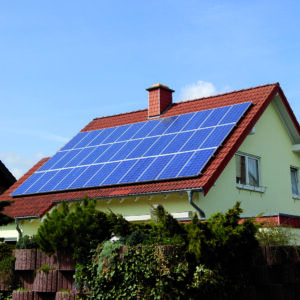
Renewable energy integration has formed the core of sustainable architecture in building construction. Such solar roofing materials as photovoltaic shingles and integrated solar tiles enable buildings to generate their own electricity without making aesthetic compromises in design. These materials enable energy independence, reduce utility costs, and make sustainable living more attainable for home-owners.
Concluding Remarks
Actually, the future of construction lies with sustainable architecture materials. Besides providing viable alternatives, CLT, bamboo, recycled steel, and low-carbon concrete are all essential elements in construction that architects use to enable the building not only to be beautiful and functional but also to contribute toward the achievement of global sustainability goals. As the industry continues to innovate, these materials will prove to be key tools for designers committed to building a greener, more resilient world.