Within the last couple of years, minimalist architecture has grown significantly, especially among people who seek to make their homes simple and functional. Small homes have become one of the most practical solutions to urban living, with ever-increasingly dense populations. The minimalist way provides a means of ensuring comfort and beauty without overloading the little available space. This article looks at some of the basic principles and methods behind minimalist small homes that make them spacious, organized, and calm for the occupants.
1. The Philosophy of Minimalism
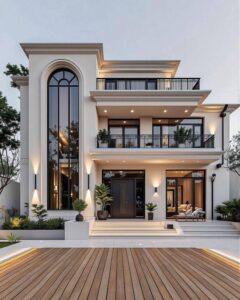
More than a design style, minimalism is a state of mind, yearning for clarity and intentionality. Translated into architecture, that philosophy manifests in clean lines, uncluttered layouts, and an absence of elements that tend to get in the way. It allows every structural component and piece of furniture to have a specific purpose. In small homes, minimalism is an ideal model that can help prevent rooms from looking cramped and instead promote a harmonious visual flow.
2. Intelligent Layouts That Maximize Space
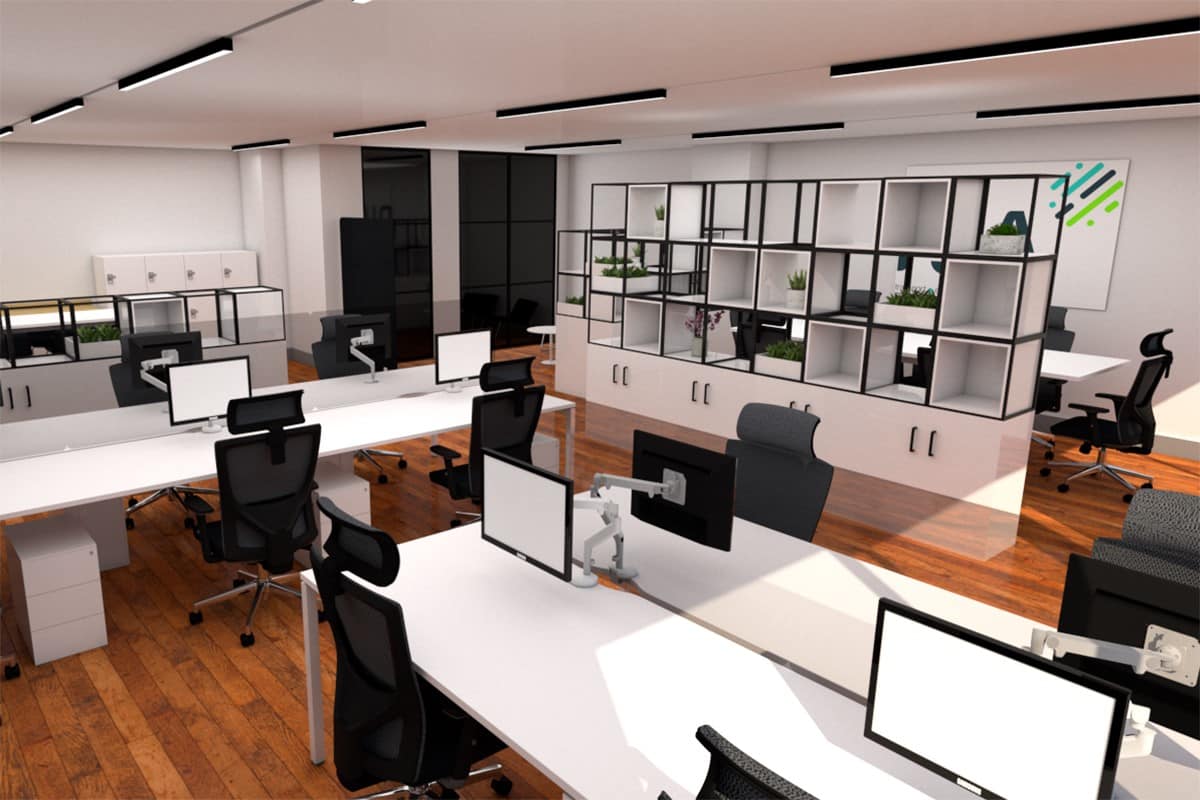
Small home design primarily addresses how to maximize available square footage. In minimalist architecture, an open layout is emphasized that allows for easy movement within the house. When interior walls and barriers are used less, spaces appear visually, even functionally, larger. Multifunctional areas-like a combination living/dining room-increase functionality in allowing for the most efficient usage of space. This kind of layout is quite easy for the residents to modify according to their daily needs.
3. Neutral color palettes for a clean aesthetic
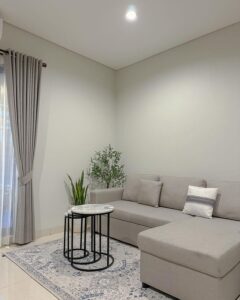
The neutral color scheme that is commonly adopted in minimalist architecture would give way to an atmosphere of serenity and coherence. Soft whites, light greys, beige tones, and subdued earthy hues would dominate in the whole design. Such colours let rooms be brighter and more spacious since natural light reflects better. Furthermore, even though bold and saturated colours are not encouraged under minimalism, gentle splashes of colour can be subtly introduced through artwork or textiles to enhance the room’s visual appeal without cluttering it.
4. Natural Light is Important
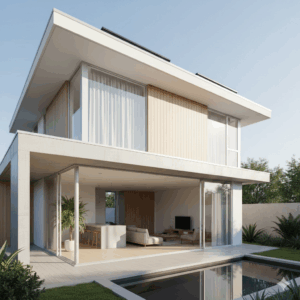
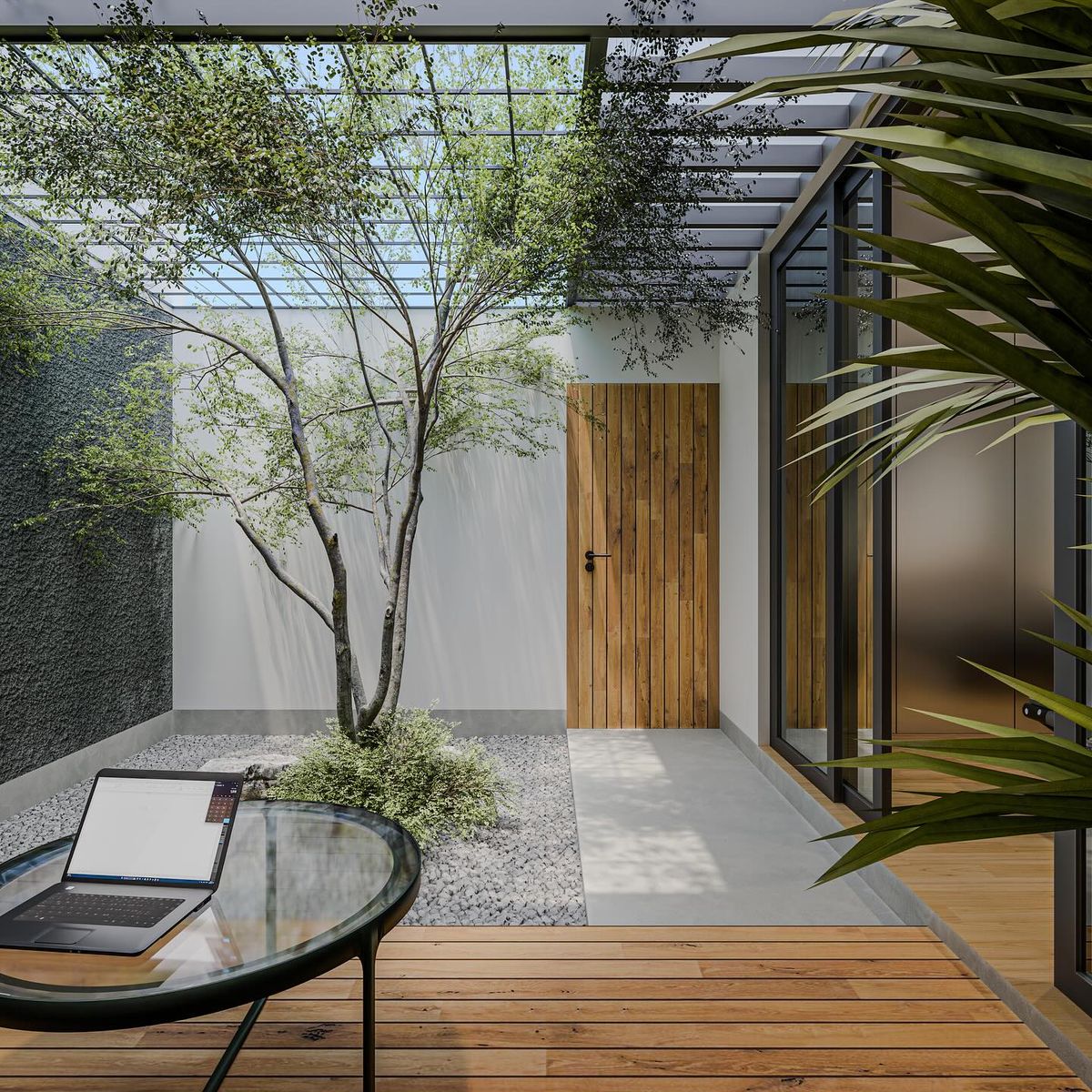
Natural light can be viewed as the essential part of minimalist architecture since it adds openness to the interior and does not require excessive use of artificial lighting. Large windows, skylights, and glass doors are other features one would find within such homes because they provide maximum sunlight and help in creating smooth interconnection between indoor and outdoor spaces. In a small home, natural light is even more critical as it develops an optical illusion of a spacious area and helps to emphasize the simplicity of the design.
5. Multi-Purpose Furniture and Built-In Storage
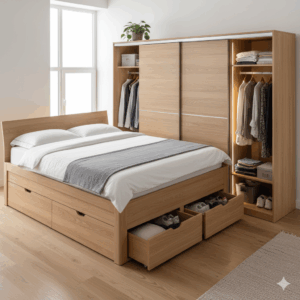
The no-clutter environment is the key to a minimalist home. Designers achieve this function with multi-functional furniture that can answer several needs. Common examples of these are sofa beds, extendable tables, and storage ottomans. In-built storage solutions like wall-mounted shelving and floor-to-ceiling cabinets keep all belongings in their places and maintain clear visual lines. These features are absolutely essential for small homes where every inch counts.
6. Quality materials featuring a subtle texture
The whole idea of minimalism is more about quality than quantity; as such, it pays much attention to natural materials like wood, stone, and metal, which are highly sustainable and do not easily go out of fashion. These will introduce subtle texture and warmth to a space without clutter. A combination of clean architectural lines with refined texturing creates a very balanced, sophisticated feel that many modern homeowners love.
7. Organize, but keep it simple Keeping It Simple
One of the things that works best with minimalist architecture is if it’s complemented with consistency in the way organization is effected. Homeowners have to put in place certain routines that help avoid clutter build-up. That would mean thoughtful purchasing decisions, regular cleaning habits, and meaningful storage. The well-organized home complements the overall architectural design, making it a stress-free living environment.
Mental and Emotional Benefits of Living
Minimally Besides beauty, minimalist architecture has its own psychological benefits: a clutter-free space is sure to drive relaxation, decrease anxiety, and improve focus. That can greatly heighten the quality of daily life for people living in small homes. Furthermore, minimalism will get the occupants to choose only what’s most important for them and get rid of all other distractions. Therefore, minimalist architecture now offers a really practical yet elegant solution for small home design. Efficient layouts, neutral colors, plentiful natural light, and purposeful furnishings enable a homeowner to create functionally and visually pleasing spaces. As simplicity is widely embraced in lifestyles, minimalist design shapes the future for compact, mindful living.