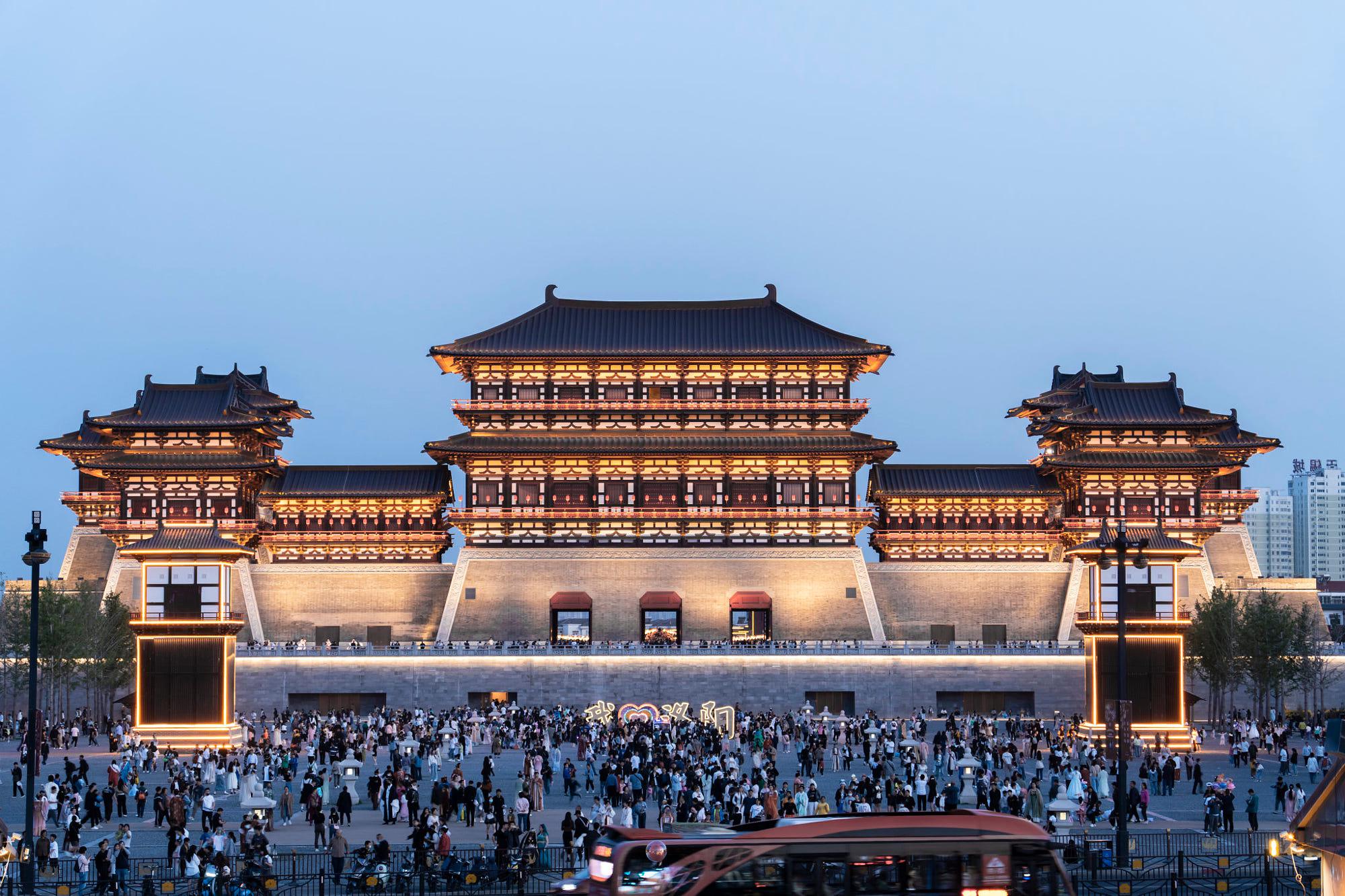
Major changes in urban architecture to date have been part of cultural shifts, technological changes, and the changing needs of their communities. From classical grandeur to the modern, the environment reflects the human spirit, which cherishes beauty and innovation. Gaining insight into these transformations sheds light on how cities adapt to people’s lifestyles and expectations.
Early Foundations: Classical Architecture
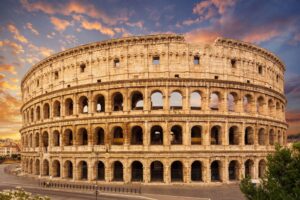
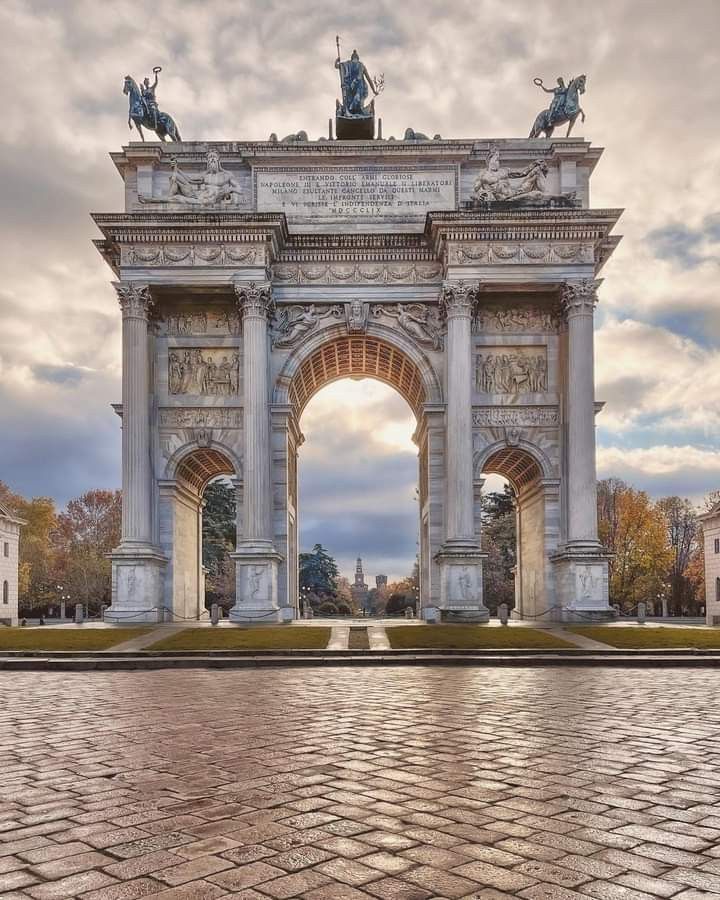
Harmony, proportion, and symbolic expression can be found in the urban architecture of ancient civilizations. For example, most monumental buildings in Greek and Roman cities alike were decorated with columns, arches, and intricate carvings. It is to these classical elements that the viewer indeed should not see mere decoration but rather the philosophical ideals of balance, order, and pride from the community. At the heart of urban life stood the amphitheaters, temples, and forums; it is within this core that architecture reinforces social interaction and people’s sense of community.
The Medieval and Gothic Influences
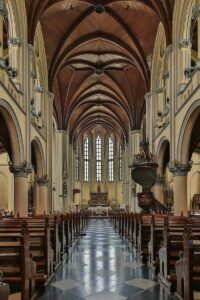
As societies moved into the medieval era, architectural styles changed radically. Dominating the cityscapes of the day were fortified walls, narrow streets, and towered cathedrals. From the pointed arch and ribbed vault, Gothic architecture developed to extensive use of stained-glass windows, emphasizing verticality and spiritual striving. Such buildings changed city skylines and reflected new engineering skills that enabled architects to construct higher and more complex structures than previously feasible.
Renaissance and Baroque Transformation
The Renaissance brought back the classic precepts, symmetry, and geometry into architectural design and created humanism. Cities opened up their plazas, monumental façades started cropping up, and the streets were planned with meticulous care. Furthering the concept added to by the grandeur and theatricality that Baroque infused into the architecture through bold curves, intricate ornamentation, and dynamic spatial composition. During this period, urban centers turned into dynamic and expressive spaces that celebrated artistic and cultural accomplishment.
Industrial Revolution: Shift to Functionality
The Industrial Revolution during the 18th and 19th centuries was a sea change in urban architecture. The rapid growth in population and, along with it, technological advancement spurred the construction of factories, railways, warehouses, and mass housing. Steel, glass, and reinforced concrete enabled architects to go higher and stronger. As the trend began to turn toward functionality and efficiency rather than ornamentation, the ground was set for modern principles within the design of cities.
Modernism and the Emergence of Contemporary Architecture

By the start of the 20th century, Modernism had evolved against the backdrop of industrialization and the urge for simplicity. Leading this were pioneering architects with a movement toward minimal forms, open floor plans, and an absence of superfluous decoration. “Form follows function” was the catchphrase. Skyscrapers, due to new steel frameworks, dominated city skylines, symbols of progress and economic might.
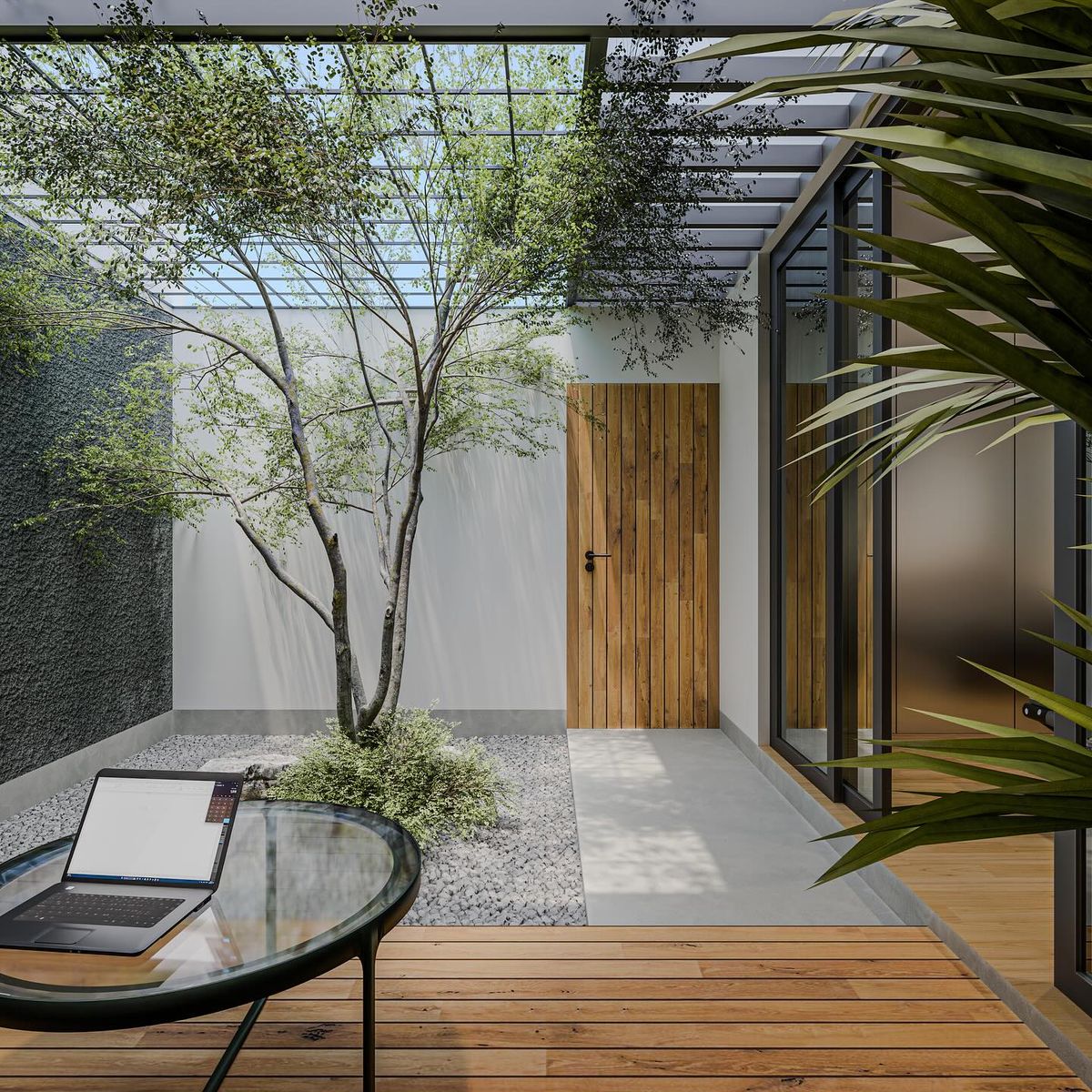
Today, urban architecture continues to evolve, marrying technological novelty with sustainability and human-centered design. Glass façades, mixed-use developments, green roofs, and smart building systems mirror values today: energy efficiency, flexibility, and ecological sensitivity. Contemporary architects strive to create places that will answer not only functional needs but help to enhance the quality of life in cities.
The Future of Urban Architecture
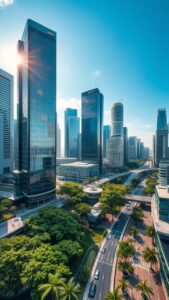
Challenges like climate change, overpopulation, and resource limitations make urban architecture increasingly adaptive and sustainable. It might mean modular buildings, carbon-neutral use of materials, and AI-integrated infrastructure. Building resilient cities fostering community, well-being, and ecological balance will be the focus.
Concluding Remarks
All in all, this evolution of urban architecture is a tale of human progress-from the classical ideal of balance and beauty to today’s pursuit of sustainability and innovation. Each of these eras has contributed to the dynamic cityscapes we see today. Understanding this journey allows architects, planners, and residents to envision a future where urban environments continue to be functional and inspiring.