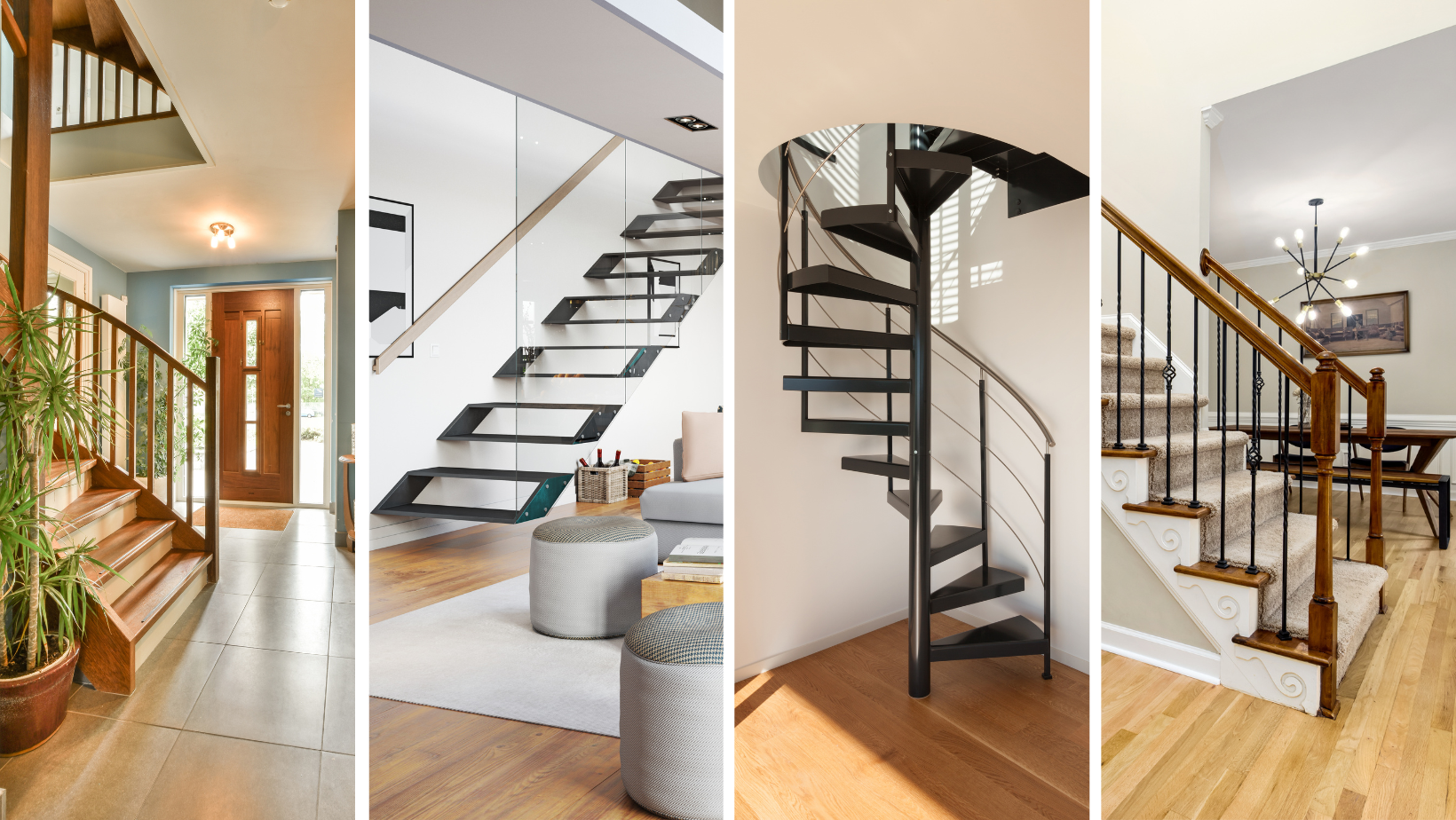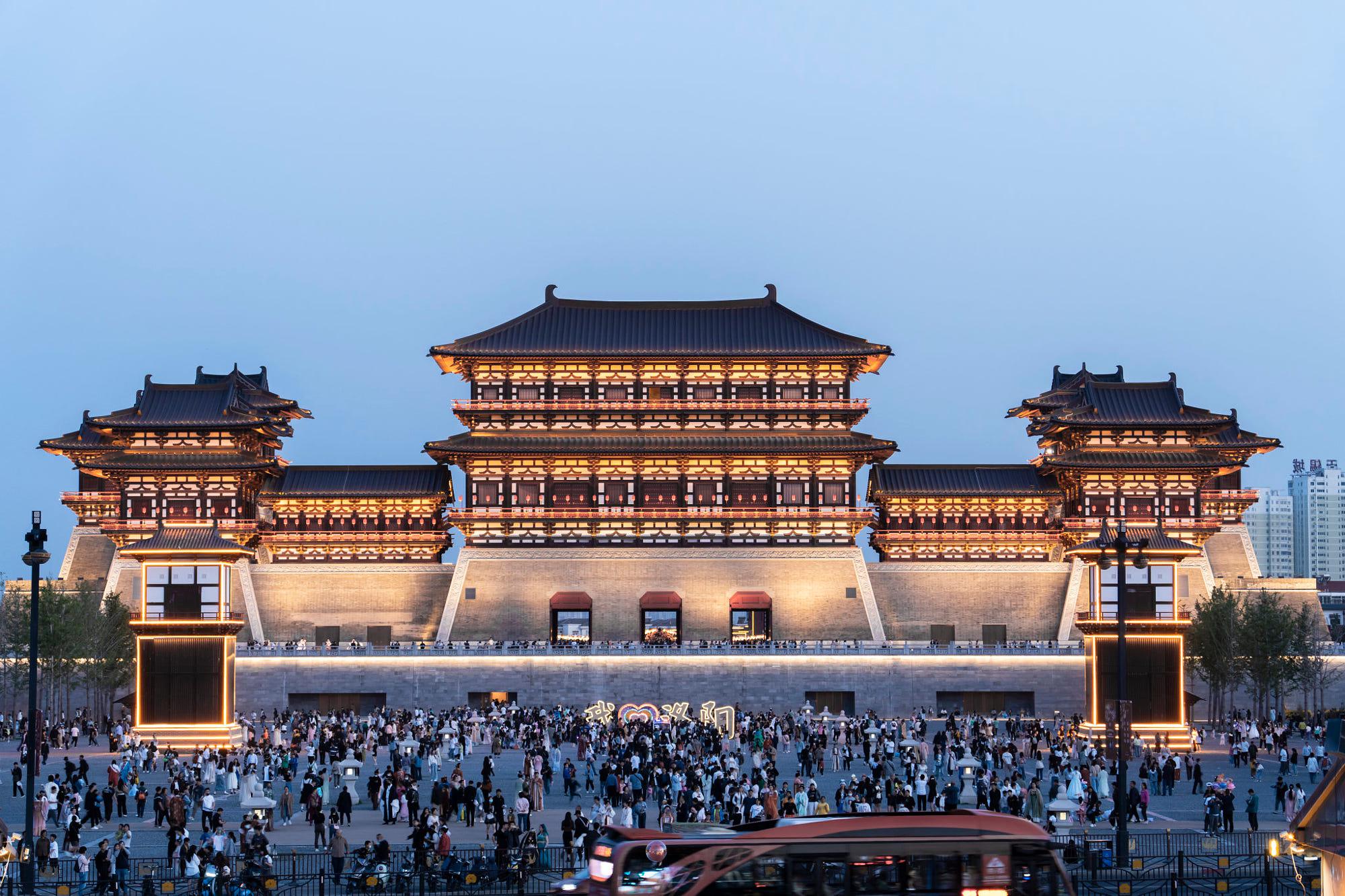
From a perspective of aesthetic appeal, office design has grown to reflect the culture, values, and productivity goals a company wants to achieve in today’s fast-moving and ever-changing work environment. Of many other modern directions in design, the minimalist office is considered one of the most efficient and graceful ways to maximize space, functionality, and even creativity. With square footage increasingly scarce in major cities, minimalist design offers an intelligent method of making the most of every square inch without sacrificing comfort or style.
The Philosophy Behind Minimalism
Beyond the design trend, minimalism is really a way of living that embraces simplicity, clarity, and purpose. For architecture and interior design, the concept is based on clean lines, open layouts, and well-thought-out material selection. In its core, the idea is to create a clutter-free environment that nurtures your mind and keeps you focused.
As Japanese architect Tadao Ando said, “Minimalism is not about deprivation; it’s about the perfect amount of everything.” This would mean that in an office setting, one ensures design choices are well thought out and serving a purpose, eliminating extra distractions and ultimately focusing on function. The minimalist space helps the employees to stay focused, think creatively, and work with efficiency.
Key Elements of a Minimalist Office Design
1. Functional Layouts
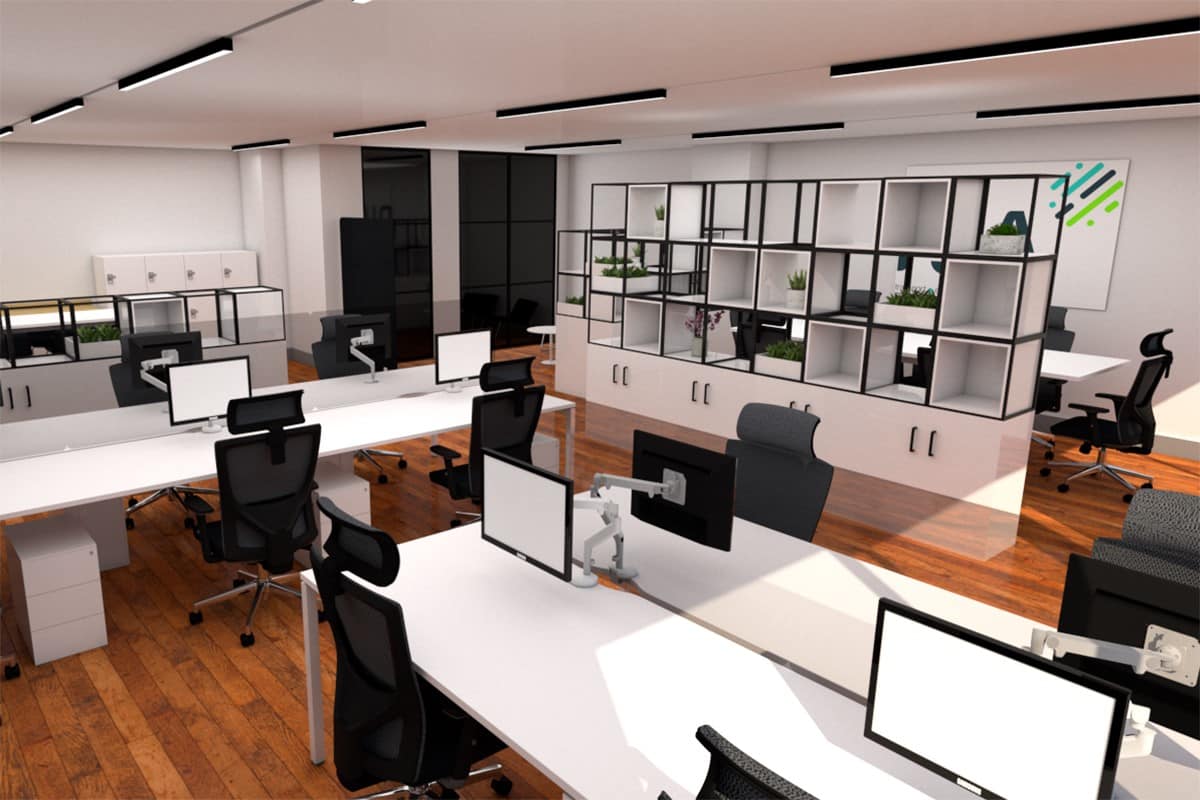
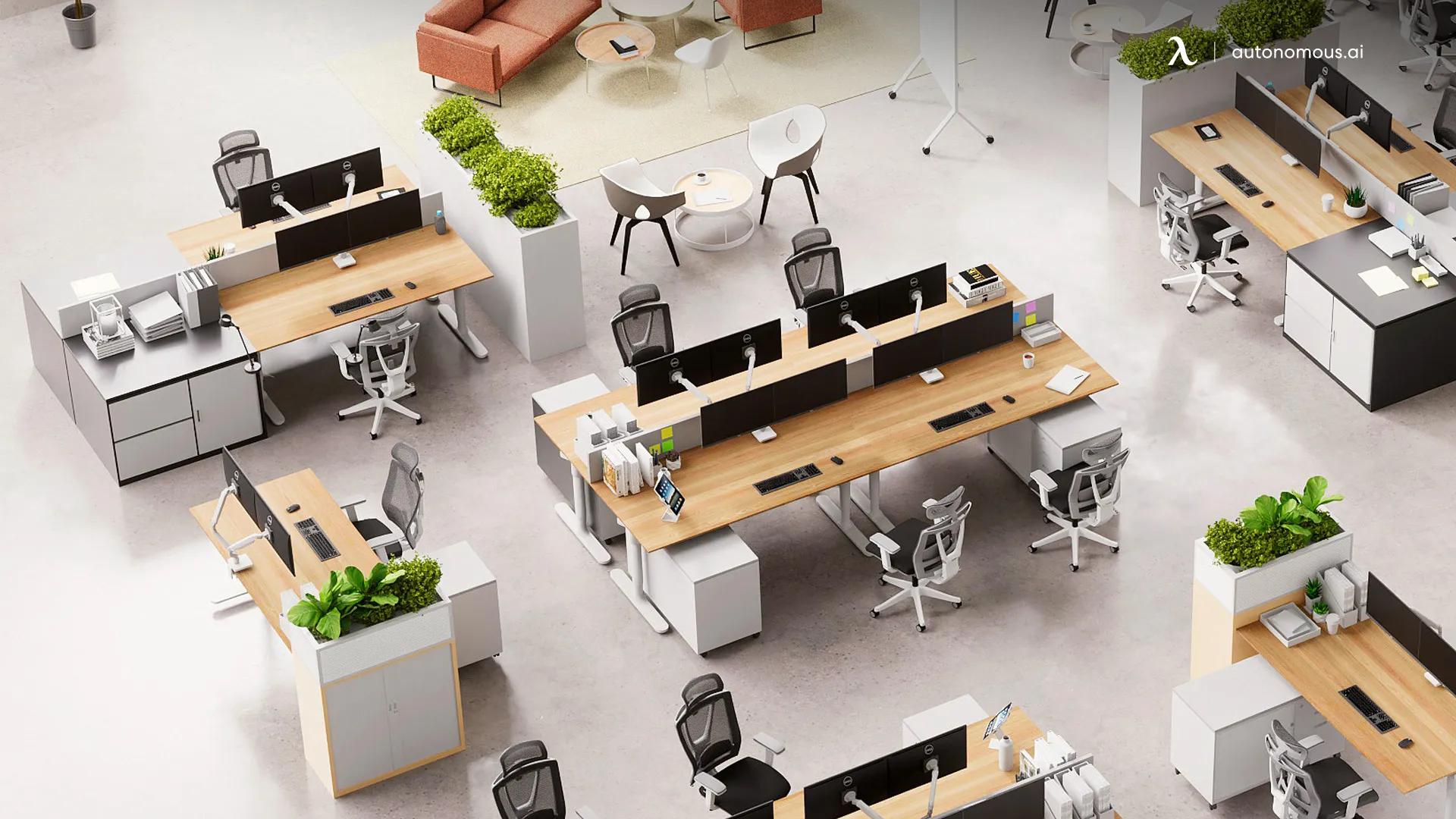
The minimal office design begins with a space plan that allows functionality. Every piece of furniture and every corner in the room must serve some useful purpose. The demand for open-plan designs remains unflagging because these types of plan foster collaboration but retain an airy, open feel. Movable partitions or modular furniture can adapt spaces for meetings, teams of collaborators, or solo work in concentration.
2. Neutral Color Schemes
Neutral tones invite more calming and balanced settings: white, cream, gray, or soft earth tones that reflect natural light make even the tiniest room appear much bigger and bright. You can then add subtle accents through plants, artwork, or the use of textured materials to add warmth and character without overwhelming the minimalist atmosphere.
3. Smart Furniture Solutions
Minimalist offices rely on furniture that can double as an ergonomic design. Desk designs with storage, folding tables, and modular shelving systems save space while keeping work areas organized. Lighter furniture also allows for less room for error since companies can easily reconfigure the layout as needed.
4. Natural Light and Open Space
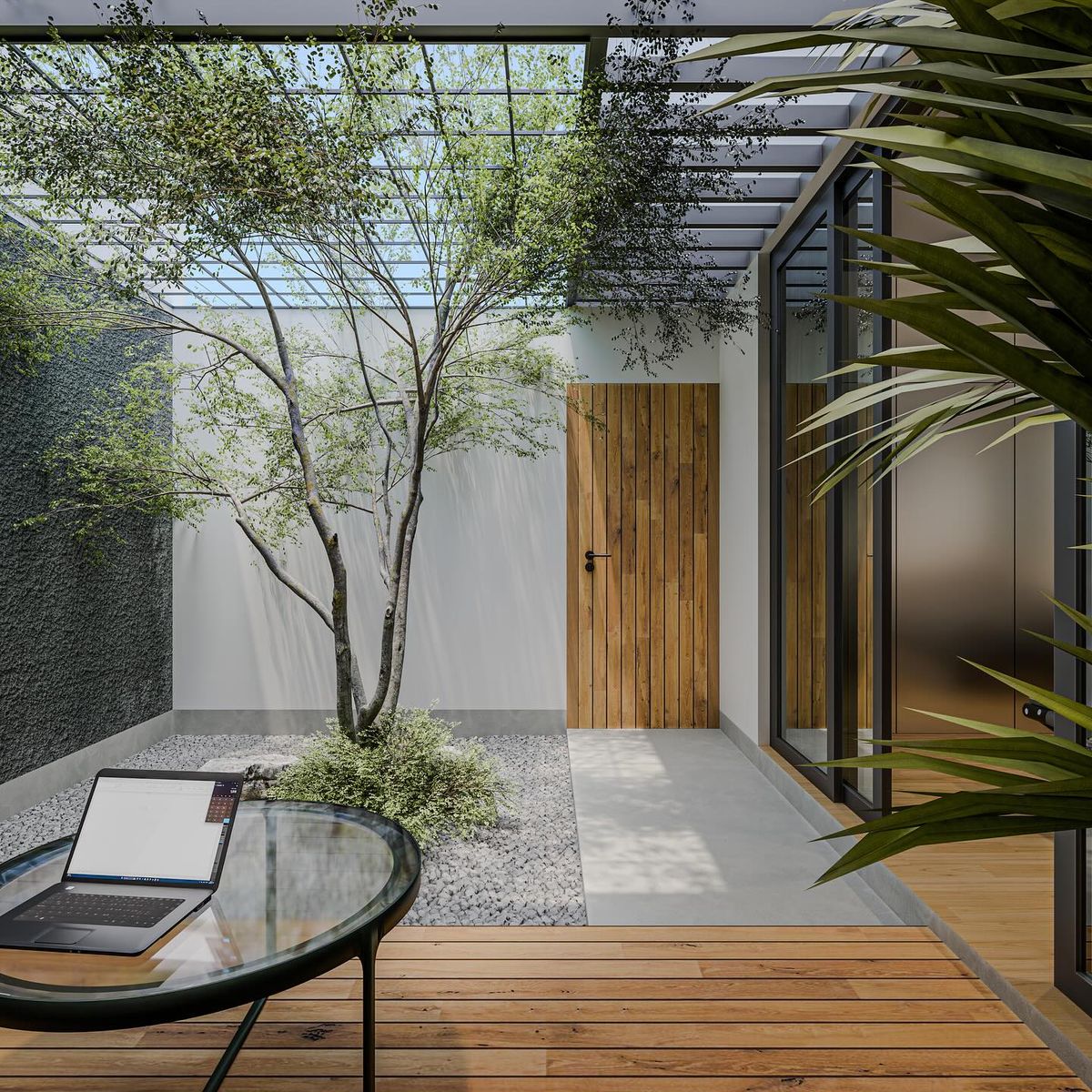
Another of the mainstays of minimalist office design is striving toward maximum natural lighting. Large panes of windows, glass walls, and open areas create a perception of transparency and continuity with the outdoors. Natural lighting enhances not only visual comfort but it also elevates one’s mood and productivity, making it an asset in any workplace.
5. Decluttering and Organization
The minimalist office abjures clutter. Proper storage solutions make it look clean, from built-in cabinets to secret compartments. Digital organization plays a considerable role too: enabling paperless systems and efficiency in file management adds to sustainability and simplicity.
6. Green Touches
Minimalism does not have to be lifeless. Natural elements like potted plants, moss walls, or even wooden textures help soften those stark lines seen in modern design. Indeed, biophilic touches do much more than beautify: they purify the air and restore the psychological health of your workers.

The Benefits of a Minimalist Office
More than aesthetic appeal, a minimalist office design reduces stress, improves focus, and assures a peaceful work environment. Such an uncluttered and well-organized area keeps employees productive and creative, as several studies have proved. In addition, minimalist designs ensure that maintenance costs will be much lower and energy efficiency higher in most cases.
After all, it is people and their workspace that come together, really, when it comes to minimalist office design. Minimalist design transforms limited space into an inspiring and functional environment that fits modern work habits and values. As the famous designer Dieter Rams once said, “Good design is as little design as possible.” In the context of today’s offices, indeed, less is more: spaces that inspire, motivate, and endure.