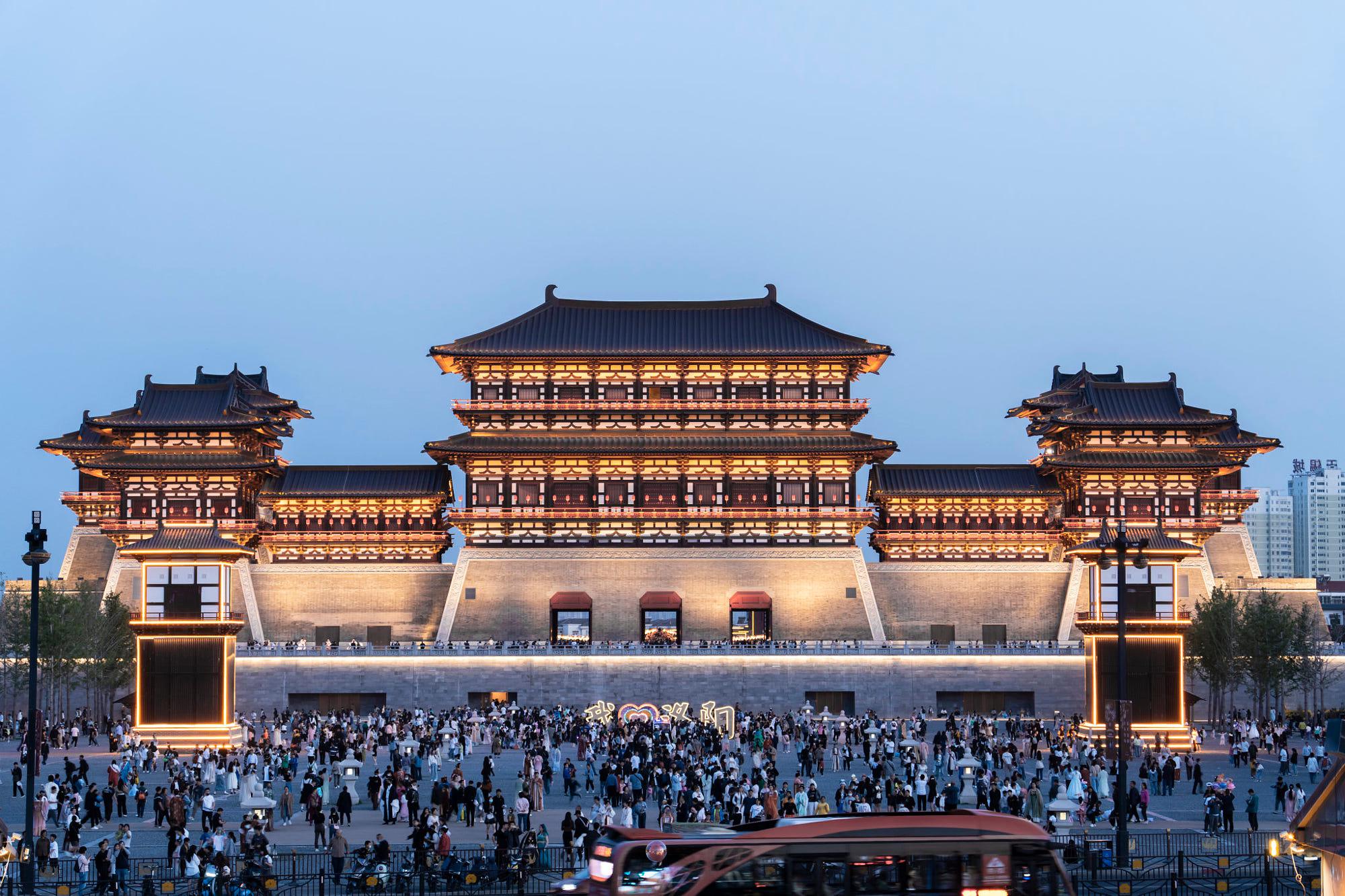
From the magnificent Forbidden City in Beijing to rural villages’ humble wooded homes, China’s architectural heritage is among the world’s oldest and most enduring. Centuries, even wars, earthquakes, and modernization, have shaken these traditional Chinese buildings. It is no accident that they have endured. Masterly craftsmanship, cultural philosophy, and deep understanding created a harmony of people with nature.
The Philosophy Behind Endurance
The balancing and harmonious factors in the design of traditional Chinese buildings are based on Daoist and Confucian principles, which reflect considerations of respect for the forces of nature. In traditional Chinese culture, Feng Shui—literally meaning “wind and water”—played an important role in how buildings were situated and arranged. Structures were carefully oriented to align with natural energy flows for stability, comfort, and prosperity.
As Chinese architect and scholar Liang Sicheng said, “Chinese architecture is not just about structure; it is about living in harmony with heaven and earth.” This led to designs working with, rather than against the environment-a factor that has given them much of their longevity.
Skill with Wood Construction
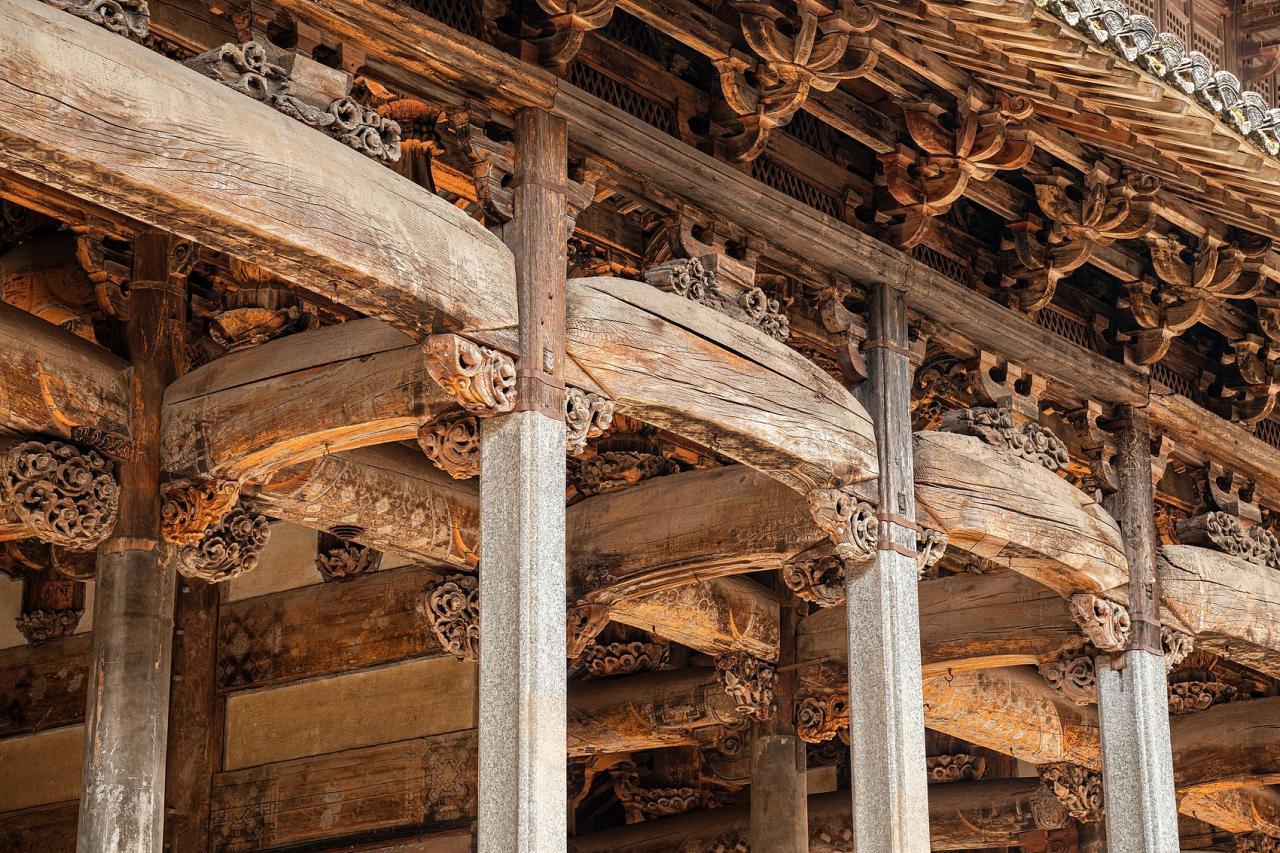
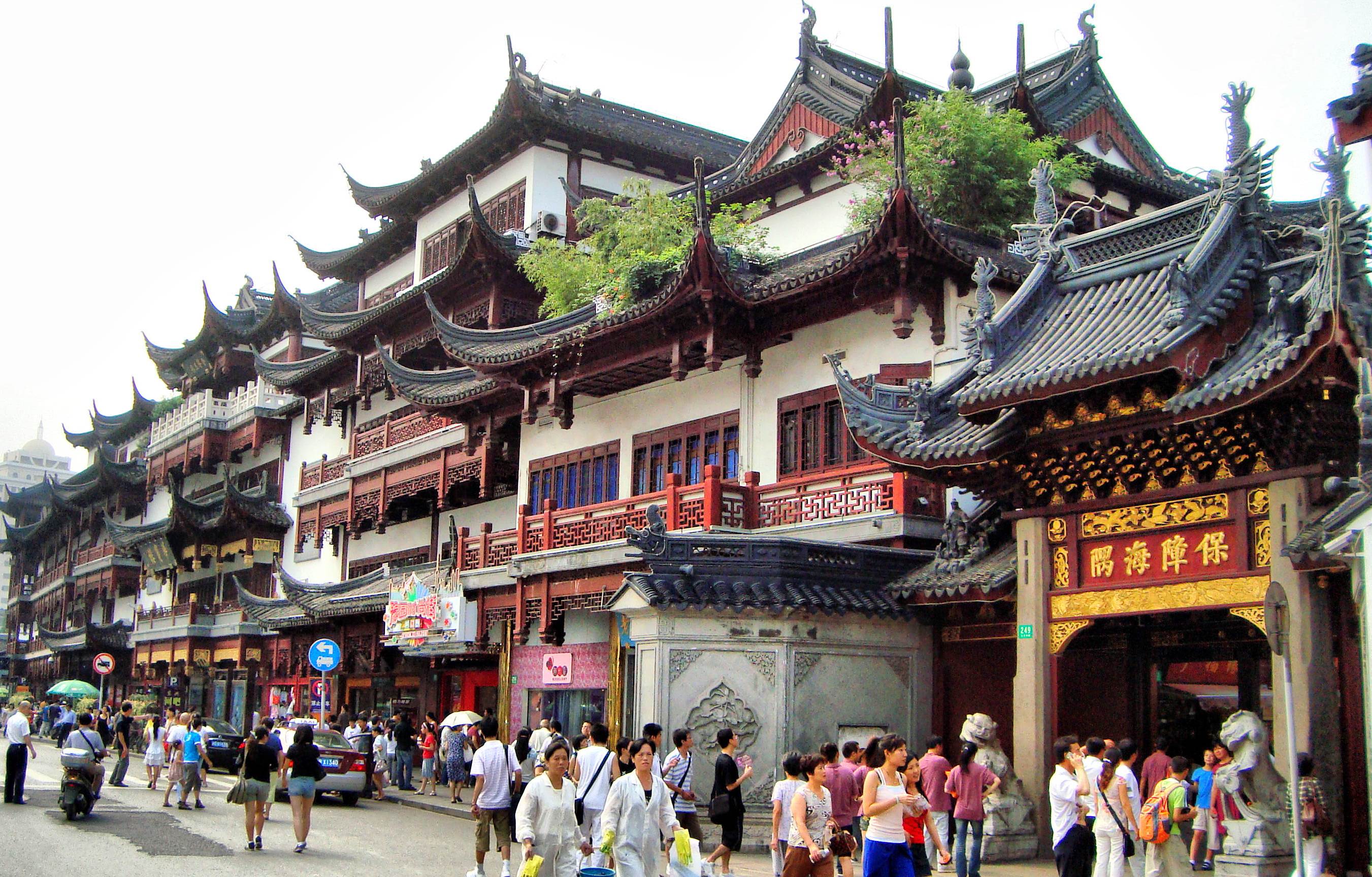
One of the most striking features in traditional Chinese architecture is the very extensive use of wood. If there is anything that could make wood frail, it is the fact that wood tends to decay over time. Ancient Chinese builders made wood last through ingenious ways. The dougong system-which involved a network of interlocking wooden brackets-allowed a structure to evenly distribute weight and absorb seismic shocks. This made many temples and palaces exceptionally earthquake-resistant, especially in regions prone to tremors.
Because the wooden joints fit without glues or nails, the buildings were able to flex and move slightly under environmental stress without collapsing. For the most part, the timber used was carefully selected and treated: dense woods-like Chinese cedar or cypress-were especially prized for their durability and natural resistance to pests and rot.
Adaptation to the Natural Environment
Traditional Chinese buildings both inside and outside tended to follow considerations of climate and geography. While northern China faced cold winters, home construction there included courtyards and thick walls for insulation; homes in the more humid south were built with raised floors and wide eaves for ventilation and shade. Roofs with sweeping curves not only were visually elegant but also functional-they efficiently channeled rainwater away from the structure, preventing damage.
These adaptive designs made the architecture sustainable long before the term existed. The use of local materials such as clay tiles, rammed earth, and bamboo, reduced the environmental footprint and allowed for easy maintenance or reconstruction when necessary.
Cultural and Community Preservation
Beyond materials and structure, the survival of China’s traditional buildings is also linked to cultural reverence. Historic temples, ancestral halls, and courtyard houses-siheyuan-can be understood as a form of identity and source of heritage. Many have been well cared for by local communities or restored under national preservation programs.
The protection of the ancient towns, such as Lijiang and Pingyao, with traditional construction techniques passed on to future generations, has been done by the Chinese government and UNESCO in recent decades. It is this balance that has maintained the living architectural legacy within a society full of constant change.
Lessons for Modern Architecture Traditional
Chinese buildings are resilient and carry a valuable lesson for modern design: emphasizing natural harmony, modular systems, and adaptability. These are sustainable principles that have become increasingly germane today. Modern architects are going back to these time-tested methods as ways to make buildings both ‘green’ and culturally sensitive. The fact that China’s traditional buildings have survived is a standing testament to the wisdom of the past—a reminder that true sustainability begins with respect for nature, culture, and time.