Natural light has long remained a cornerstone in residential architecture and is valued not only for aesthetic reasons but also because it’s linked with making major contributions to human health and well-being. It is of vital importance that modern homes incorporate as much natural light as possible if comfortable, energy-efficient, and aesthetically appealing living areas are to be achieved. Thoughtful strategies aimed at enhancing natural illumination are more important than ever before, as modern architects emphasize two aspects above all others: sustainable design and occupant experience. Below, the article looks at some practical architectural principles and effective design techniques which could bring natural light into residential settings with a high degree of success.
1. Strategic Window Placement
Thus, it is important to reflect upon window placement and orientation. They determine how much natural light comes in. Most architects install large windows facing south because that is where consistent sunlight comes during the day. East windows invite morning light, while westward-facing ones yield warm evening illumination. Proper attention to window placement brightens interior spaces and is also an important part of passive solar heating to cut energy consumption.
2. Utilization of Skylights and Roof Windows

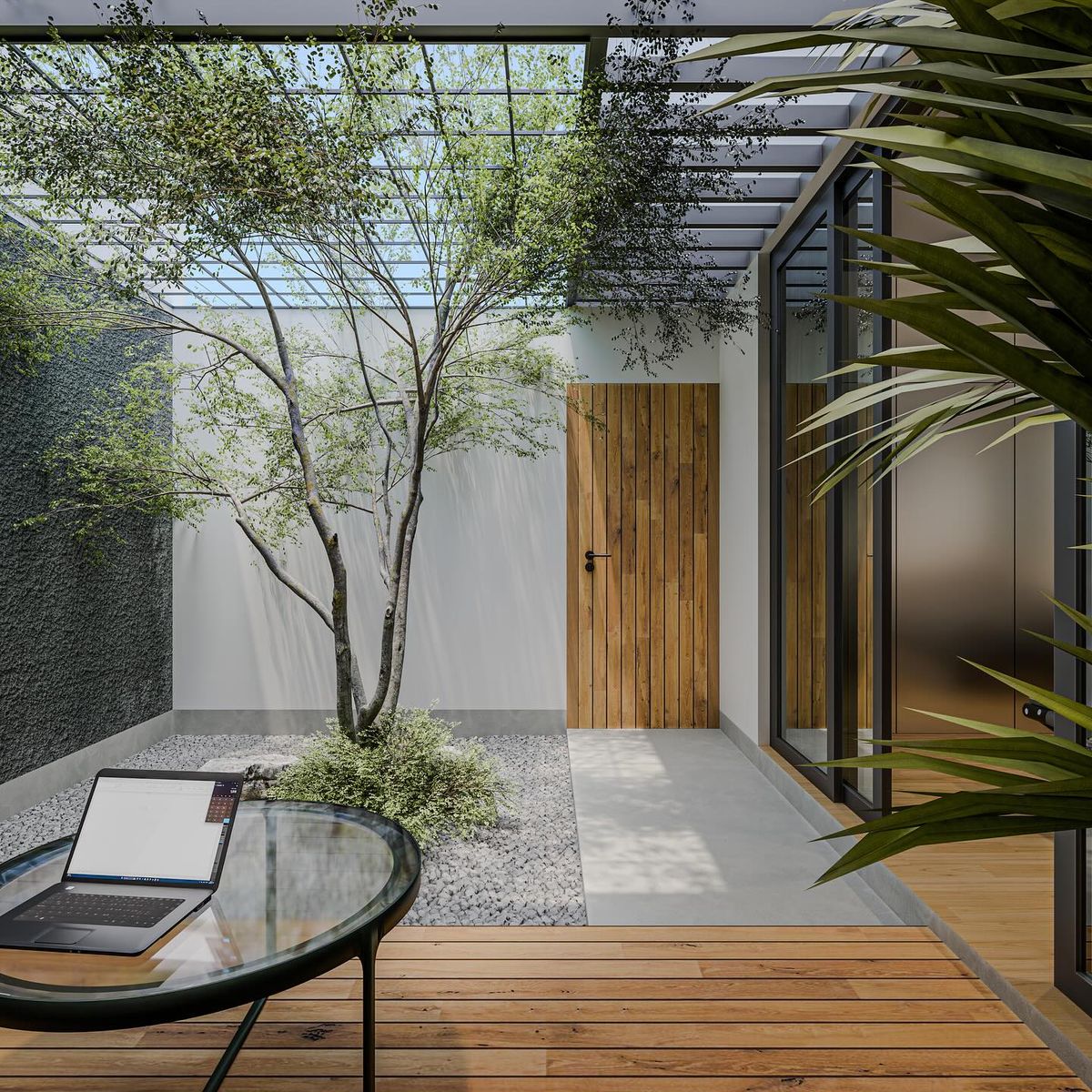
The best ways to make use of the natural light within the homes where wall spaces are small are skylights and roof windows. Installed on the ceiling, they can draw sunlight deeper inside the rooms, helping them feel even more open and airy. Nowadays, skylights can be installed with sensors, glazing options, and automated shades that enhance energy efficiency and comfort. As such, they can also work for bathrooms, hallways, lofts, and interior rooms, which normally get less daylight.
3. Glass doors, interior glazing
Sliding or hinged glass doors are an excellent means of admitting light to the living rooms and allow easy, free passage from indoors to outdoors. Interior glazing-in the form of inside glass partitions, transom windows and glass-panel doors-can distribute the natural light throughout your home. These admit light from one room to another without sacrificing brightness and openness and still allow retention of privacy.
4. Open-plan Layouts and Light Flow
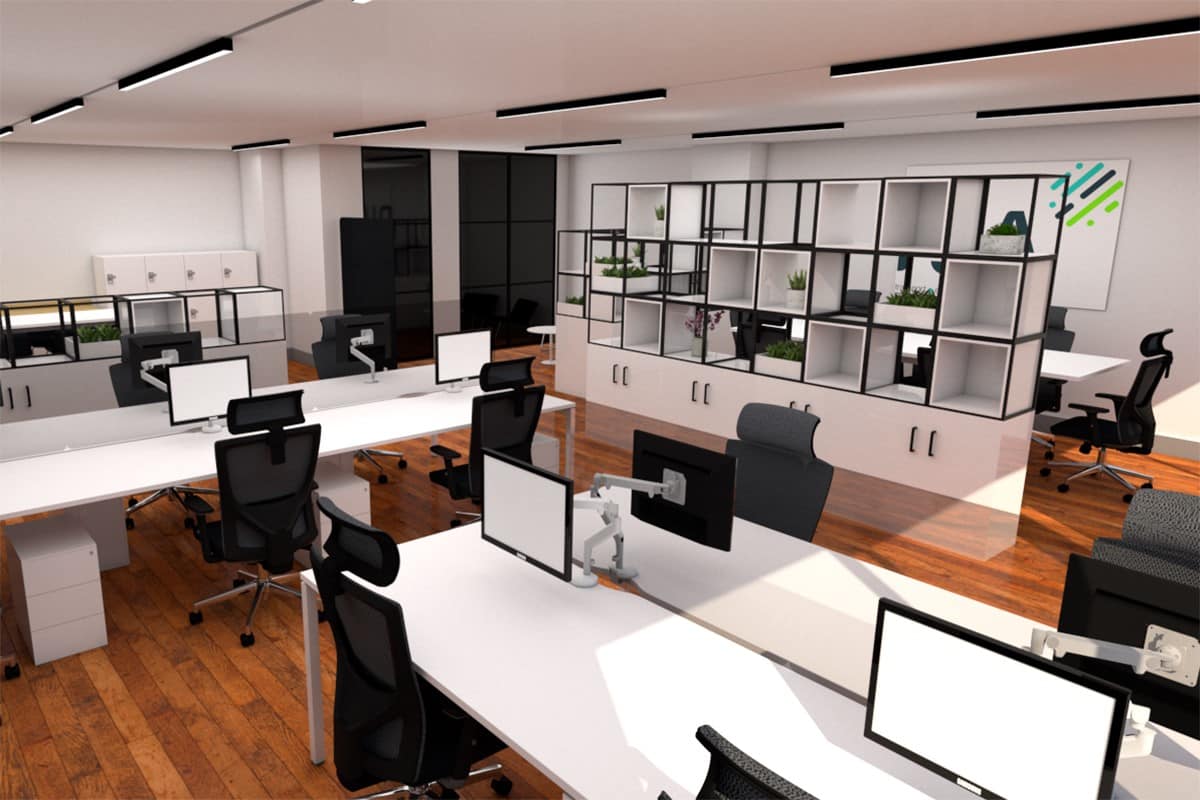
The open-plan layouts have, therefore, been quite effective in facilitating improved light distribution within residential settings. Their effectiveness comes in terms of their not having walls and barriers that block natural light from going freely across living spaces. An approach like this enhances the flow in space whereby rooms get larger and better integrated. Appropriately combined with thoughtfully placed windows and skylights, open-plan designs definitely increase the impact of daylight.
5. Light-Colored Surfaces and Reflective Materials
Finishes are very important for enhancing interior light. Lighter-colored walls, ceilings, and floors tend to be more reflective rather than absorptive of daylight, thus making spaces brighter even when the outdoors are overcast. Additional reflective surfaces made of polished stone, glass, and mirrors enhance this effect. Mirrors can also be used in strategic positions as a way of redirecting sunlight deep into the inner darker areas of a space, thereby improving illumination without extra energy use.
6. Outdoor Landscaping Considerations

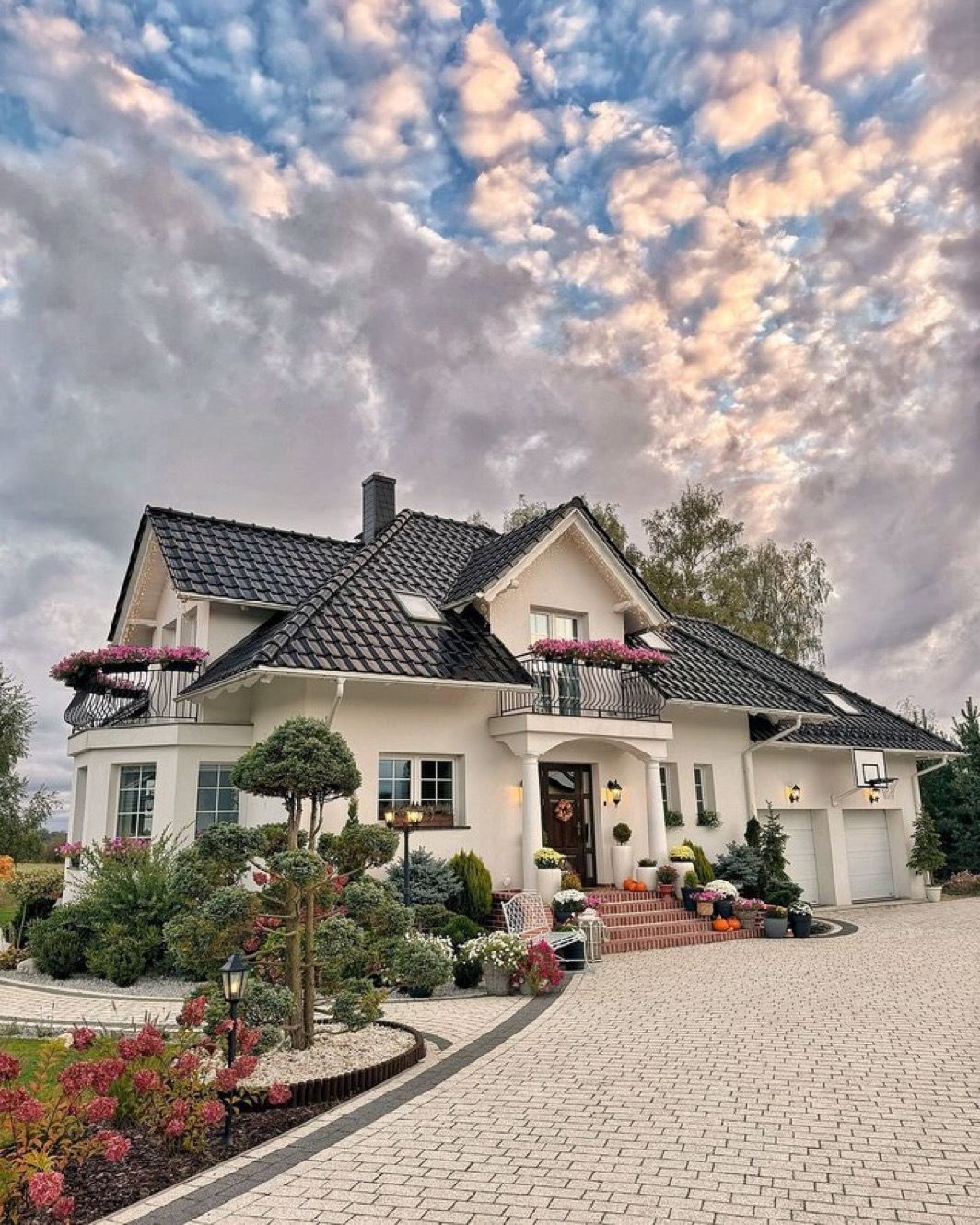
Landscaping outside the house can enhance or obstruct natural light. Large trees, high shrubs, or big exterior features can block sunlight from key areas. Careful pruning, judicious planting, or strategic placement of exterior elements assures that daylight reaches inside without interference. Meanwhile, the shading elements, like pergolas or overhangs, will help control heat gain and glare during peak sun hours.
7. Window Design and Size Maximization
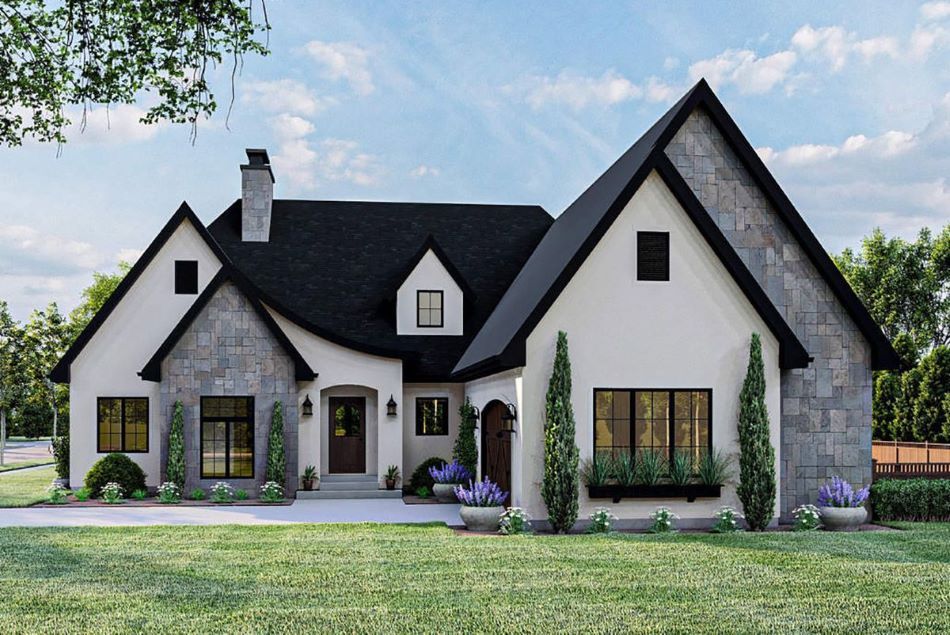
While larger windows naturally admit more light, their design is also very important. It’s floor-to-ceiling windows, corner windows, and bay windows that really work particularly effectively at capturing light from many angles. New glazing technologies also enable better thermal insulation, so one doesn’t have to choose between expansive windows and energy saving anymore.
Conclusion
The use of natural light in residential architecture can be secured through strategic planning, selection of appropriate materials, and wise design choices. Special features like well-oriented windows, skylights, reflective surfaces, and open layouts combined by an architect make the building much brighter, healthier, and closer to nature. Even today, natural light is one of the most powerful and timeless elements in residential architecture, shaping modern designs through sustainable living.