Architecture is fast assuming the role of a facilitator of well-being in today’s stressful, polluted, and digitally overloaded world. Over and above aesthetic and functional aspects, modern architecture now creates spaces that care for mental, physical, and emotional health. Well-being architecture is an emerging philosophy that encompasses comfort, connectivity, and sustainability for humans and has reframed the concept of where we live, work, and play.
The Connection Between Design and Health
Architecture always reflected the needs and values of human beings. Thousands of years ago, ancient civilizations designed buildings that connected people to nature, light, and community. But the Industrial and Digital Ages shifted that focus to efficiency and density, often at the expense of well-being. Recently, designers and architects began to reclaim that lost balance.
According to Norman Foster, the architect, “As an architect, you design for the present with an awareness of the past for a future which is essentially unknown.” This perspective makes clear that enlightened design must take into account, in addition to aesthetic appeal, the consequences on human health in the long run. Indeed, research has shown that architecture affects mood, productivity, and even physiological responses, including heartbeat and stress levels.
Biophilic Design: Reconnecting with Nature
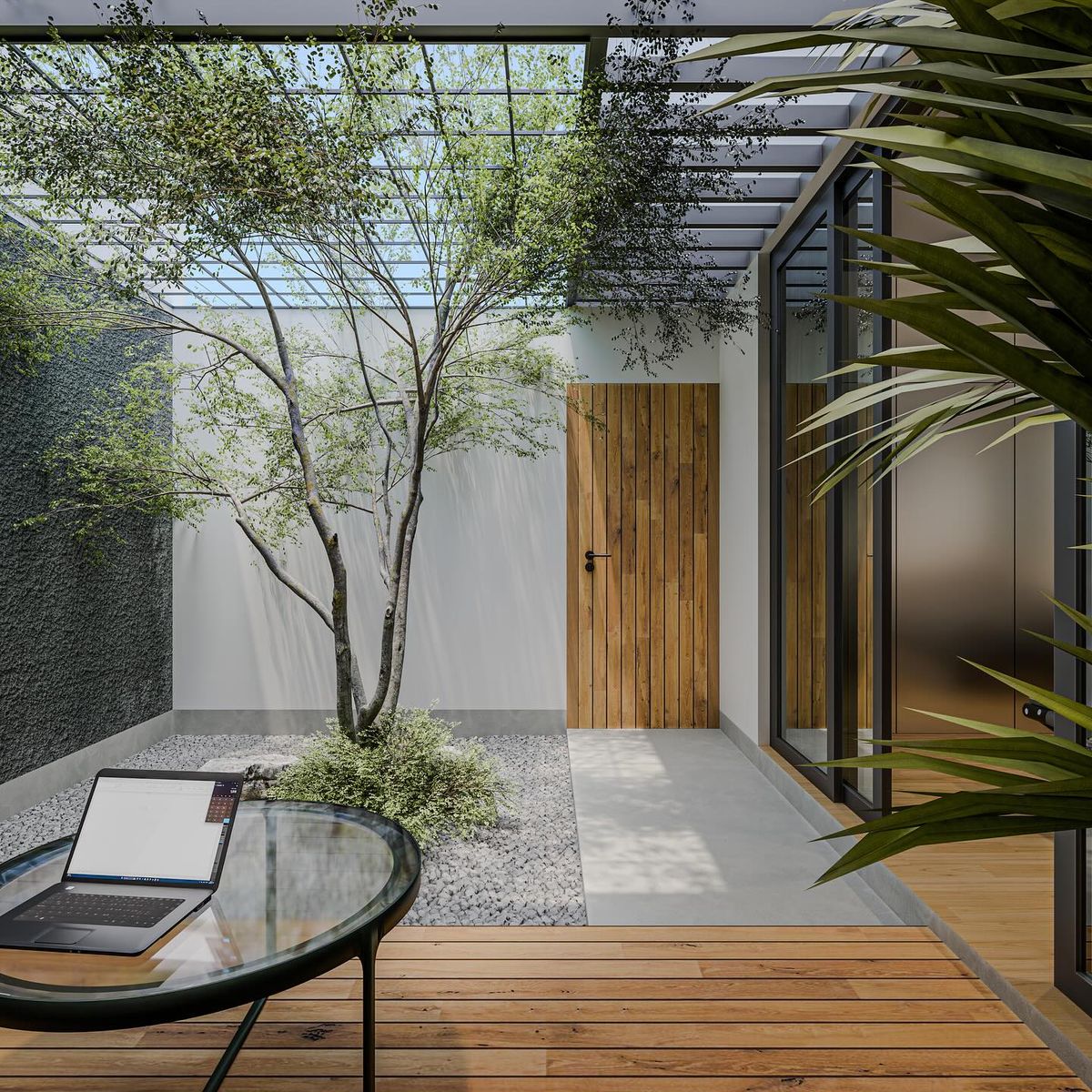
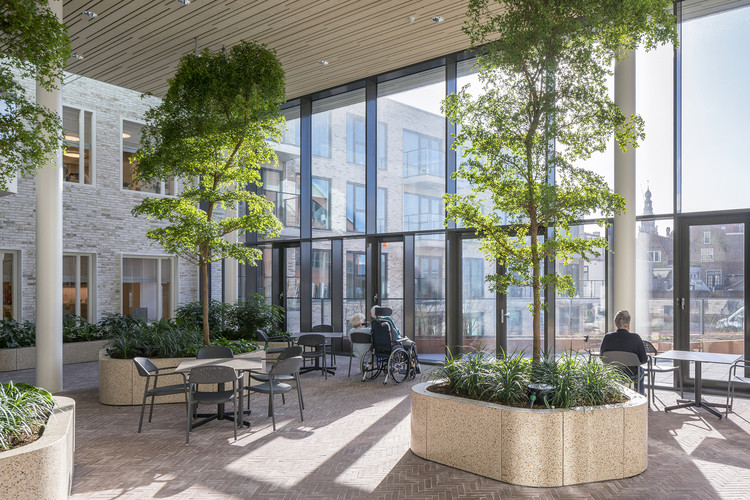
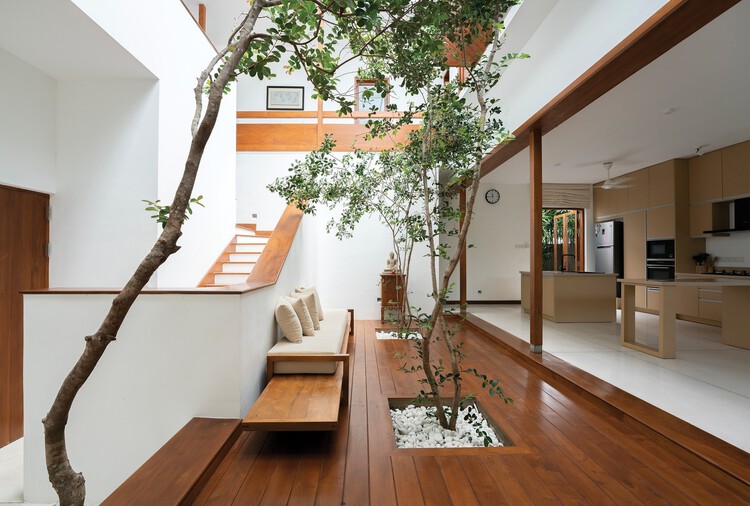
Of the many burgeoning trends in wellness-focused design, perhaps none is stronger than that of biophilic design-an approach to space that incorporates natural elements into the built environment. Natural light, ventilation, greenery, and organic material come together in spaces that calm and restore mental energy. And the proof is in the research: access to nature reduces stress, amps up creativity, and generally makes people happier.
From indoor gardens and green roofs to water features and natural textures, biophilic design helps to bridge modern existence and the great outdoors. Adding greenery and daylight to a workplace reportedly reduces absenteeism while increasing employee satisfaction, while homes designed with open layouts and natural materials foster tranquility and connectedness.
Spaces for Movement and Mindfulness
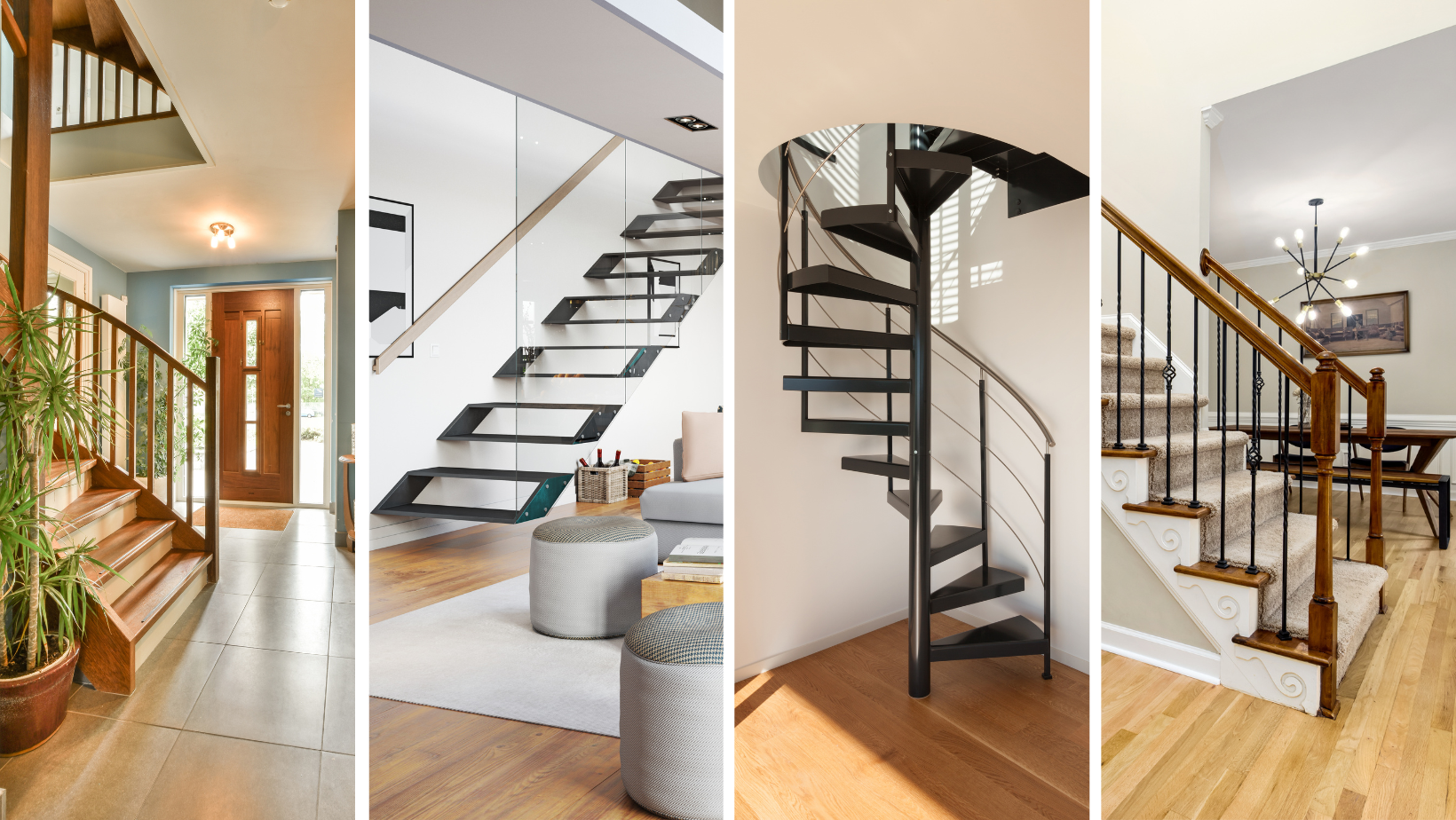
Healthy architecture is not just about good looks; it encourages movement and interaction too. Now, urban designers work to make neighborhoods walkable and add in bike paths, parks, and common spaces. Residential design uses open staircases, ergonomic layouts, and multi-use spaces to afford exercise and limit sedentary behaviors.
Mindful design also impacts mental well-being. Quiet zones, such as meditation areas, and soundproof rooms create spaces for reflection and serenity away from the noisy world. With wellness becoming a key lifestyle, architects are now designing environments that support relaxation and emotional balance while maintaining functionality.
Smart Technology and Design for Healthier Living
Technology now supports well-being through design: smart homes, air quality monitors, and lighting systems that promote physical health. Meanwhile, sustainable materials combined with energy-efficient design reduce environmental impact and contribute to a balanced lifestyle.
In office buildings, technology-based ventilation and lighting systems improve indoor air quality. Other innovative designs that incorporate natural light and color psychology can reduce stress and promote healing in hospitals and schools.
Well-being in Architecture: The Future
The renewed focus on health in the post-COVID-19 world reset the priorities of architecture. Wellness, once an afterthought, is now believed to be a guiding design principle. For architects, urban planners, and policymakers, it is about designing for health-promoting environments-both physically and emotionally-while pursuing sustainability and inclusiveness.
As architect Bjarke Ingels once put it, “Architecture is the art of creating habitats that make life better.” This encompasses the very essence of the ideal of modern design: a vision beyond building structures toward the building of well-being.
Conclusion: Living Better by Design
Architecture is more than just shelter. It is an experience which shapes the way we feel, think, and connect to the world around us. Designing for well-being has to do with creating settings that foster balance: between nature and technology, solitude and community, work and rest.
As people increasingly seek healthier lifestyles, buildings in the future will be more than just protection from the elements but also help our bodies flourish inside them. Thoughtful, human-oriented architecture can really be the groundwork for a better, fuller life.