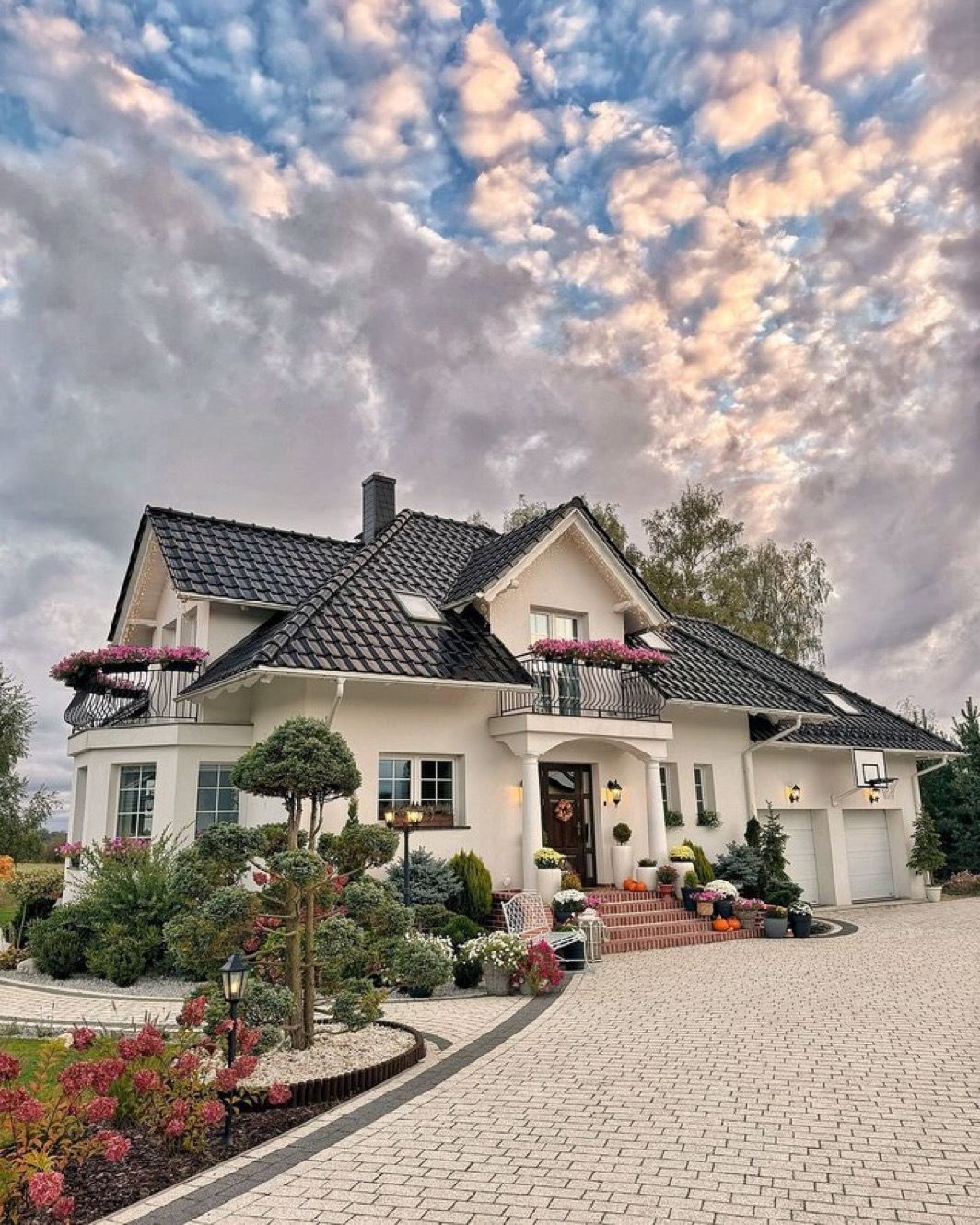
The year 2025 is projected to be an era of rapid technology, ecological awareness, and lifestyle changes that will affect residential architecture. A homeowner today aspires not just for a beautiful space, but also a functional, sustainable, and future-ready space. And that is precisely why architects and interior designers are rewriting the very fundamentals of modern home design. Following are ten trends defining the architectural landscape for 2025 and setting new standards for homes across the globe.
1. Smart Integration and Automated Living
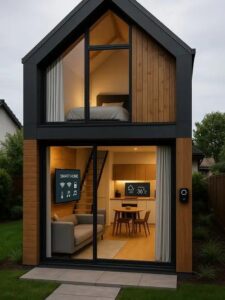
Indeed, smart home technology has moved from simple convenience to an integral part of life. As early as 2025, fully integrated systems that can control everything, from lighting and climate to security and appliances, will be the standard for new residential projects. These further enhance comfort, improve energy efficiency, and create seamless user experiences with AI-driven personalization.
2. Sustainable and Eco-Friendly Materials
By 2025, the defining attributes of architecture include environmental responsibility. Recycled steel, reclaimed wood, bamboo, and low-carbon concrete have become increasingly favored. These materials provide a low ecological footprint without compromising anything in terms of the quality or strength of the design. Other features being embraced by today’s homeowners include solar roofs, green insulation, and rainwater harvesting systems.
3. Open-Concept Living with Flexible Zones
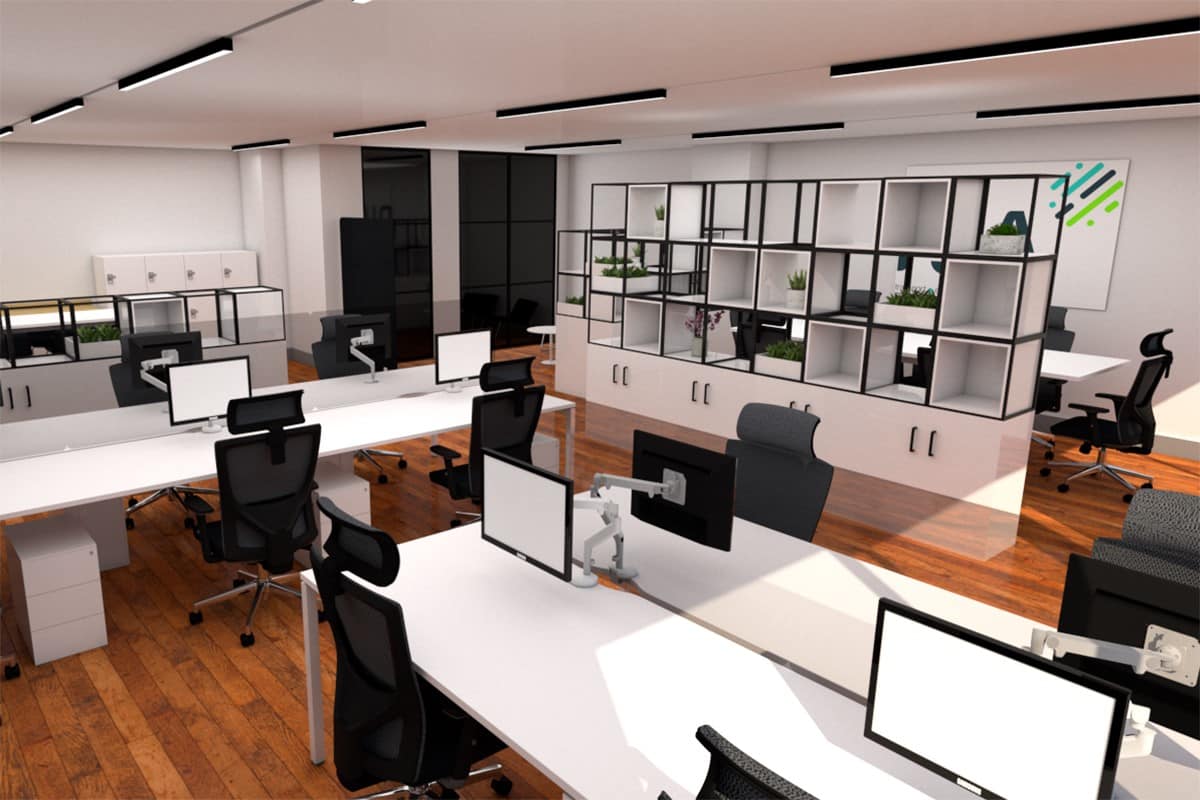
Where open-plan layouts remain in, 2025 ushers in a hybrid approach where flexible zones can easily switch between an open and private environment with the help of sliding partitions, mobile walls, or modular furniture. In that respect, inhabitants will be able to remodel the spaces for various activities, from work to relaxation or socializing with friends, without losing that openness feeling.
4. Biophilic Design and Integration with Nature
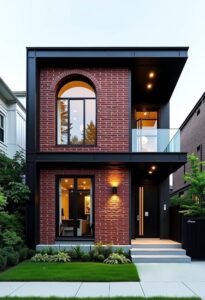
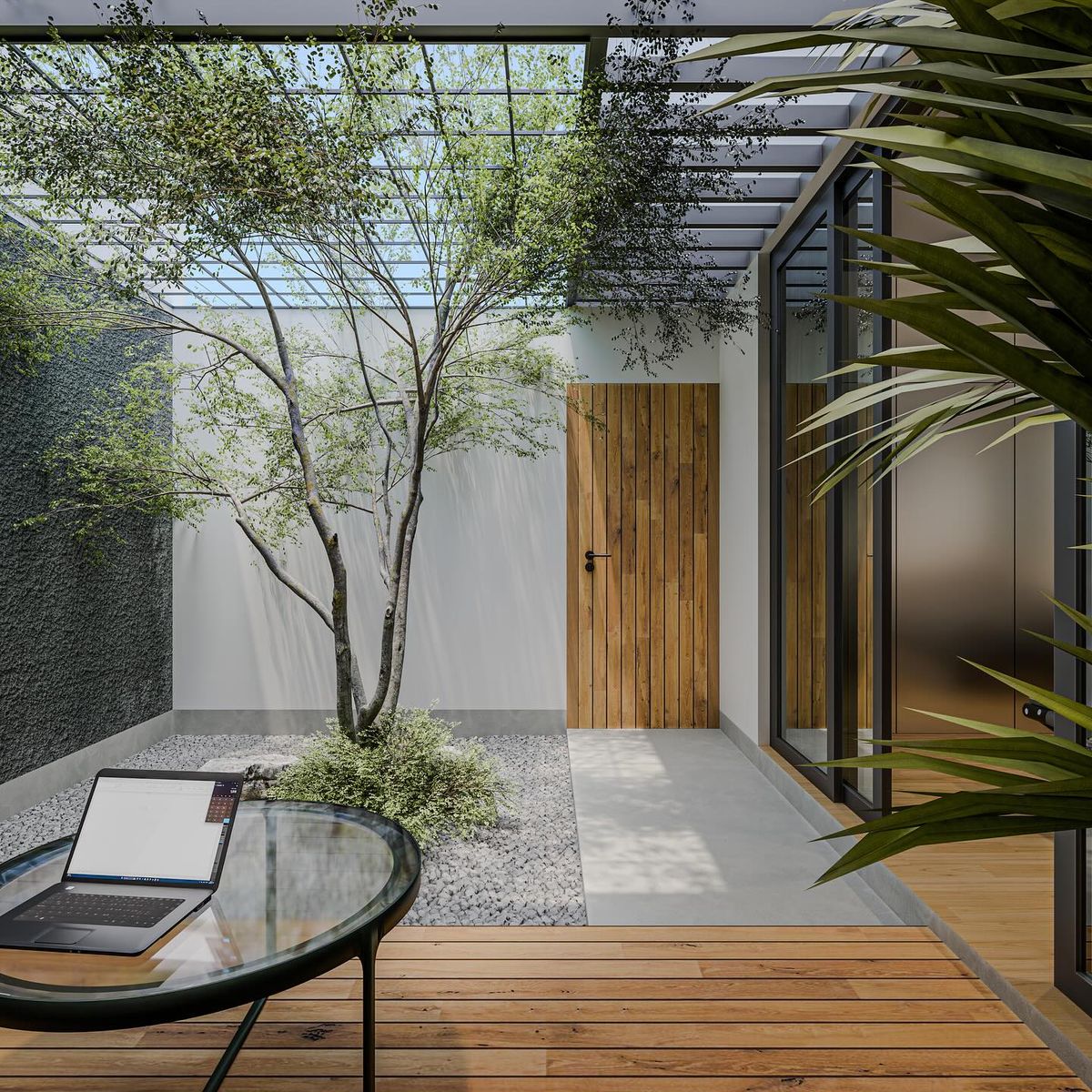
Biophilic design is the current trend as houses seek to reconnect with nature: large windows, skylights, indoor gardens, and natural ventilation systems. The houses are planned in such a way that the boundaries between indoors and outdoors are blurred. The improved conditions contribute to the improvement of mental well-being, among other things, or at least a reduction in stress.
5. Minimalism with Warmth
From cold and stark, minimalism today is warm and inviting. Organic textures, soothing neutral color palettes, and natural materials will help create calm in the minimalist design of 2025. Clean lines and functional layouts without clutter make for space that feels truly modern and comfortable.
6. Compact Living and Micro-Homes
As city populations surge upwards, solutions for living have grown increasingly sophisticated in their compactness. Architects design microhomes-small, efficient spaces-by employing methods that maximize functionality: full of built-in storage, foldable furniture, and multi-use rooms. The homes are designed in such a way that residents can live comfortably within reduced square footage without feeling restricted.
7. Outdoor Living Spaces
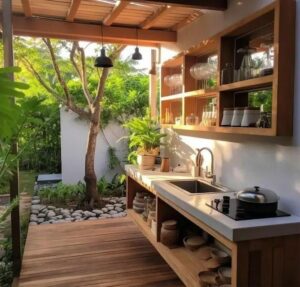
Outdoor spaces also tend to develop from being separate areas into extensions of the home. Rooftop terraces and open patios in 2025 are increasingly a feature of residential architecture, with outdoor kitchens. Such spaces are designed for leisure, social interaction, or even remote work-a reflection of the growing urge for fresh air and natural surroundings.
8. Energy-Efficient Home Planning
Energy efficiency in architecture has long ceased to be an option. Advanced insulation, smart thermostats, passive cooling, and triple-glazed windows are features that have almost become the norm. As architects say, all that is about designing buildings that use lesser utility without giving up comfort; this saves in the long run and reduces the ecological footprint.
9. Personalised Aesthetic Expression
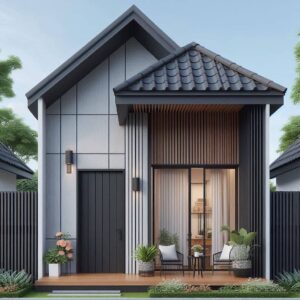
Personalisation has emerged as one of the trends where home owners seek a design reflective of their identity and lifestyle. Be that through bespoke cabinetry, artistic wall panels, or curated color palettes, residential architecture in 2025 conveys individuality without losing coherence or structure.
10. Mixed-Material Architecture
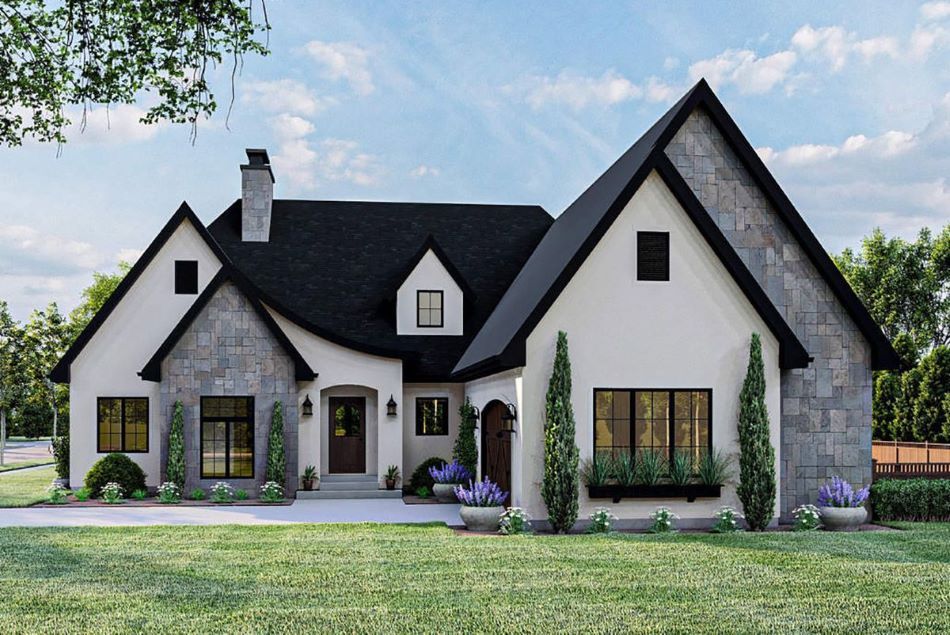
Homes in 2025 show every conceivable combination of materials: glass, wood, concrete, and metal, joined together into dynamic, visually appealing facades. It is this combination that adds character and depth and allows modern houses to be bold yet harmonious.
Conclusion
Architectural trends for 2025 carry a lot of innovation, sustainability, and people-oriented design. The concept of the modern home keeps changing, and that change is not because of changing technologies but also values and priorities.